July 8, 2026
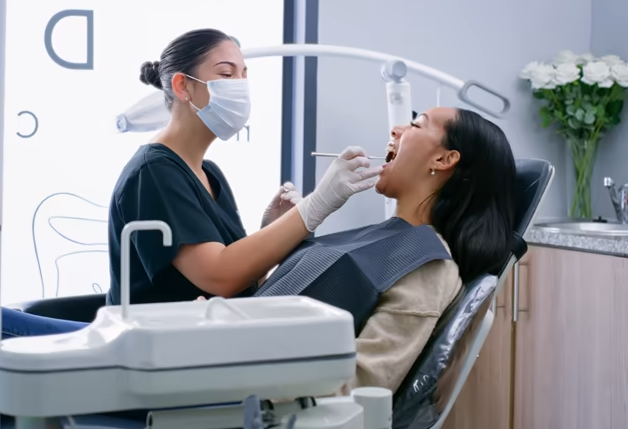
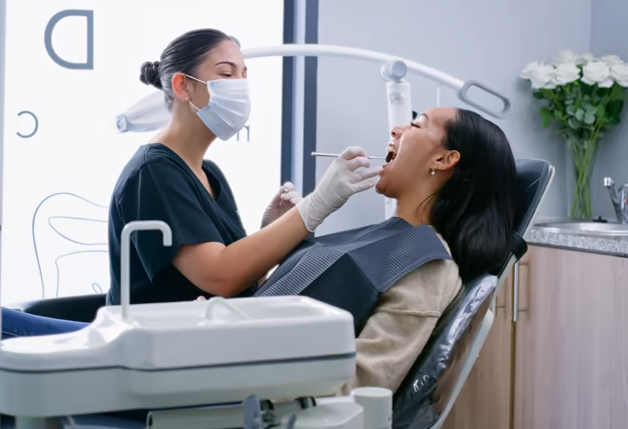
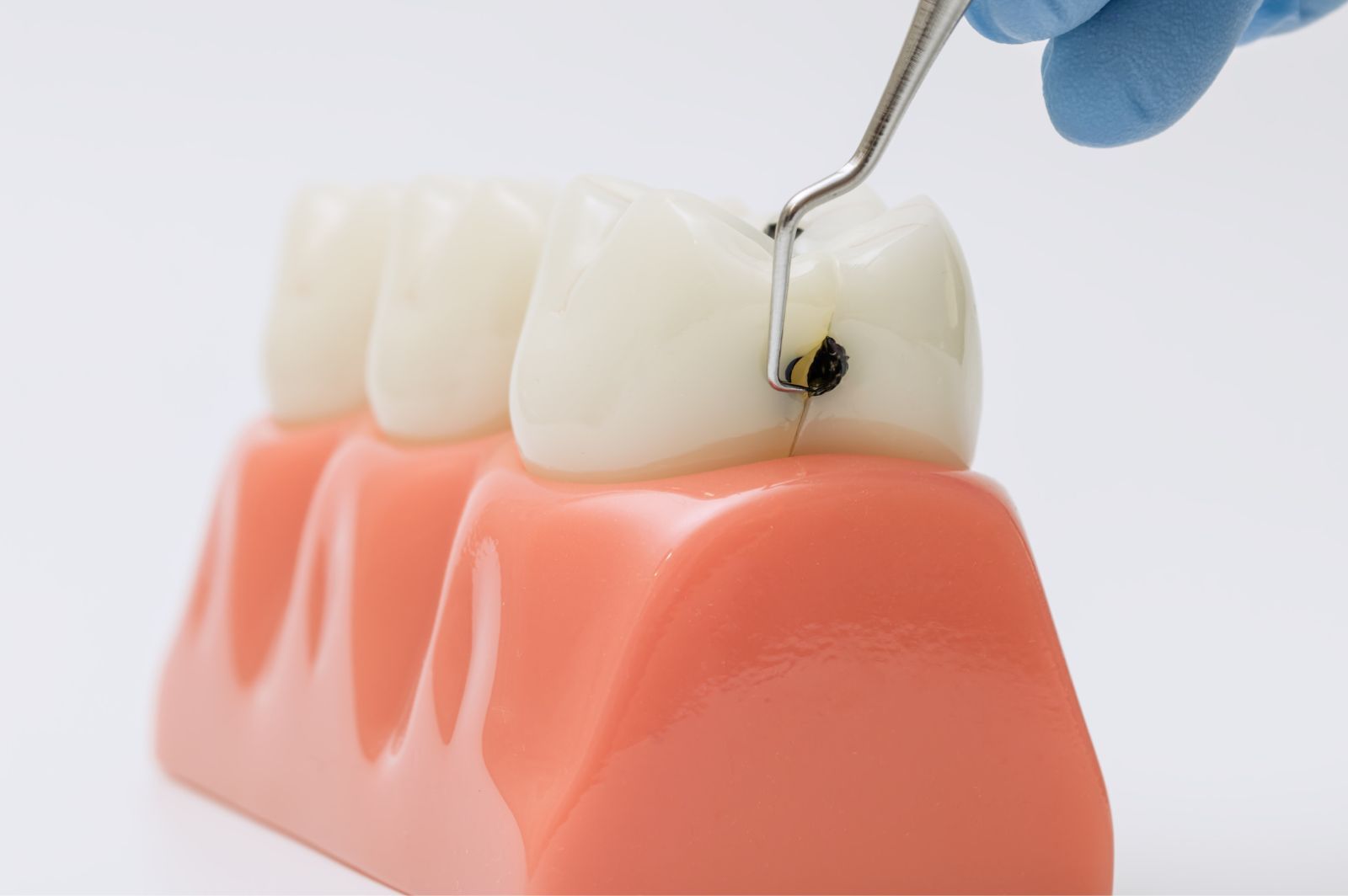
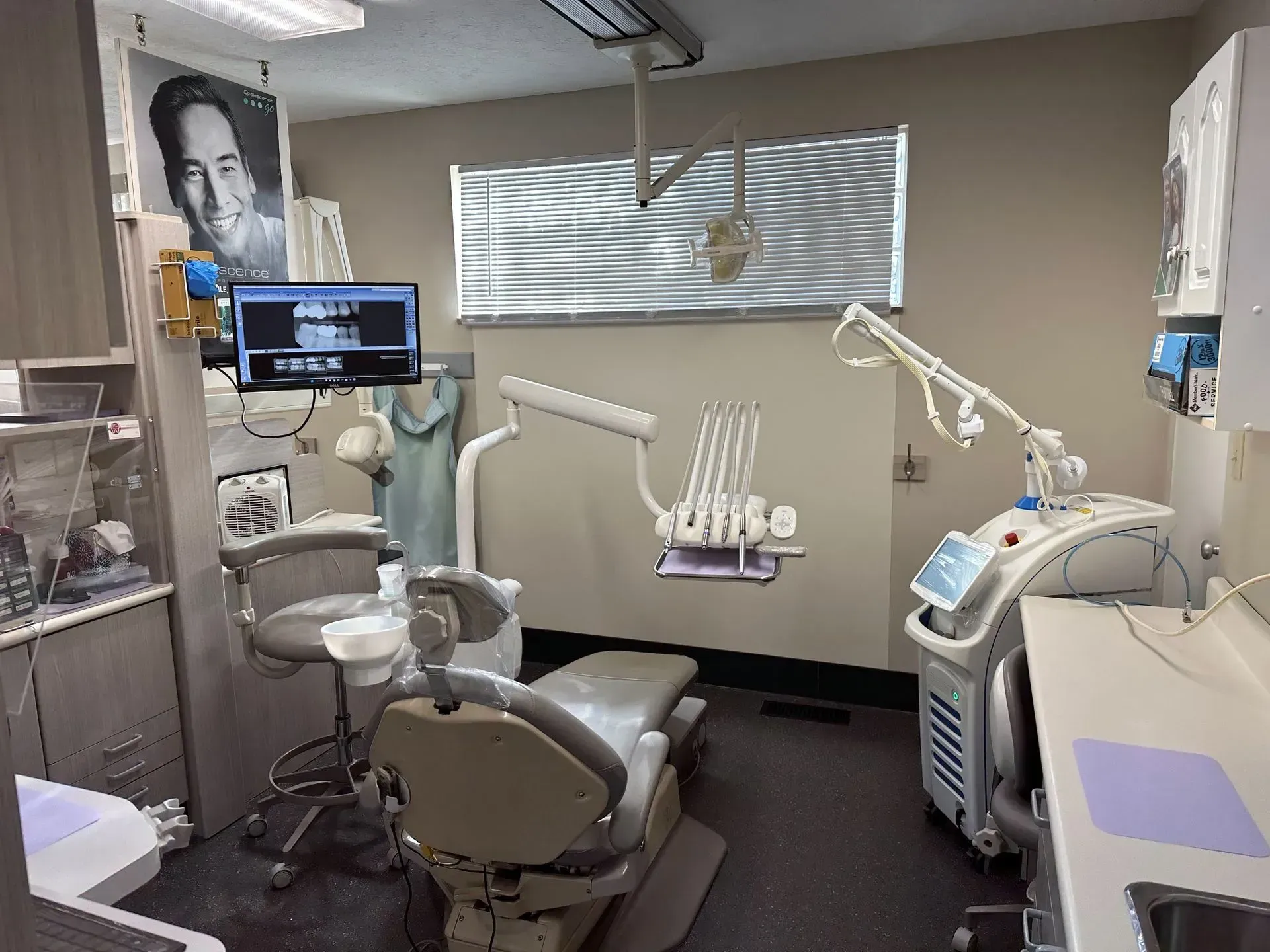
As more people become interested in whole-body wellness, holistic dentistry has emerged as a popular option for individuals seeking a more comprehensive approach to oral healthcare. Patients today are increasingly aware that oral health does not exist in isolation. The health of the teeth, gums, jaw, and airway can have a significant impact on overall wellness, influencing everything from digestion and sleep quality to inflammation and long-term health outcomes. Unlike traditional dentistry, which often focuses primarily on diagnosing and treating oral conditions, holistic dentistry considers how dental health connects with the rest of the body. This patient-centered philosophy emphasizes prevention, biocompatible materials, personalized care, and identifying the underlying causes of oral health concerns whenever possible. If you are planning your first appointment at a holistic dental practice in Riverside, you may be wondering what makes the experience different and what to expect during your visit. Many first-time patients have questions about the examination process, treatment options, and whether their overall health history will be discussed. This guide explains what happens during a first holistic dental visit, how holistic dentists approach patient care, and how this integrative model can support both oral health and overall wellness for years to come. Understanding the Holistic Dentistry Approach What Is Holistic Dentistry? Holistic dentistry is an approach to dental care that recognizes the connection between oral health and overall health. Rather than focusing exclusively on teeth and gums, holistic dentists consider how dental conditions, treatment choices, lifestyle habits, nutrition, and systemic health influence one another. Whether patients are seeking preventive care or restorative solutions such as searching for dental bridges near me , a holistic approach focuses on achieving long-term oral health while considering overall wellness. Although holistic dentistry includes many of the same services offered by traditional dental practices, the philosophy behind treatment planning is often broader and more comprehensive. The Connection Between Oral Health and Overall Wellness Research continues to demonstrate strong links between oral health and overall health. Conditions such as gum disease have been associated with inflammation throughout the body, while chronic oral infections may contribute to systemic health concerns. The mouth can also provide important clues about a person's general health. Changes in oral tissues, chronic inflammation, sleep-related breathing disorders, and jaw dysfunction may all reflect broader health issues that deserve attention. Holistic dentists recognize these connections and strive to evaluate oral health within the context of the patient's overall wellness. How Holistic Dentists Take a Whole-Body Perspective One of the defining characteristics of holistic dentistry is its whole-body perspective. During evaluations and treatment planning, dentists consider factors that extend beyond the mouth itself. This may include discussing medical history, medications, nutritional habits, sleep quality, stress levels, breathing patterns, and lifestyle factors that influence oral health. By understanding the complete picture of a patient's health, holistic dentists can create treatment plans that address both symptoms and contributing factors. This comprehensive approach often helps patients gain a deeper understanding of how daily habits affect their oral and overall well-being. The Importance of Preventive and Personalized Care Prevention is a central principle of holistic dentistry. Rather than waiting for dental problems to become severe, holistic dentists focus on identifying risk factors early and helping patients develop habits that support long-term health. Every patient receives individualized recommendations based on their unique needs, health history, and goals. This personalized approach helps ensure that treatment plans are tailored to each person's circumstances rather than relying on a one-size-fits-all model of care. Common Treatments Offered at Riverside Holistic Dentistry A holistic dental practice may offer many of the same services found in conventional dentistry, including routine cleanings, exams, fillings, crowns, periodontal care, cosmetic treatments, and restorative procedures. However, treatment recommendations often emphasize minimally invasive techniques and biocompatible materials whenever possible. For patients dealing with persistent dental concerns, treatments such as re-root canal treatment in Jersey City may be discussed as part of a comprehensive approach to preserving oral health while supporting overall wellness. Many holistic practices also incorporate airway evaluations, TMJ assessments, nutritional guidance, and preventive wellness strategies into patient care. Why More Patients Are Choosing Holistic Dental Care The growing popularity of holistic dentistry reflects a broader shift toward preventive healthcare and patient-centered treatment. Many individuals appreciate an approach that considers their overall wellness and seeks to identify underlying causes rather than simply treating symptoms. Patients often value the additional time spent discussing health concerns, lifestyle factors, and treatment options. This collaborative relationship can lead to greater confidence and engagement in long-term oral health care. The Benefits of Integrative Dental Treatment Integrative dental treatment combines modern dental technology with a wellness-focused philosophy. Patients benefit from comprehensive evaluations, personalized recommendations, advanced diagnostics, and a greater emphasis on prevention. By considering the interactions between oral health and systemic health, holistic dentists aim to support both immediate dental needs and long-term wellness goals. What Makes a Holistic Dental Practice Different A holistic dental practice differs from a conventional dental office primarily in its philosophy and treatment approach. While maintaining high standards of clinical care, holistic dentists place additional emphasis on biocompatibility, preventive health, patient education, airway health, nutrition, and comprehensive wellness assessments. For many patients, this creates a more personalized and collaborative healthcare experience. What Happens During Your First Holistic Dental Visit? Completing Your Health and Dental History Review Your first appointment typically begins with a detailed review of your medical and dental history. This discussion is often more comprehensive than patients expect because holistic dentists seek to understand factors that may influence both oral and overall health. You may be asked about existing medical conditions, medications, allergies, sleep habits, dietary patterns, stress levels, previous dental experiences, and any symptoms you may be experiencing. This information helps the dental team identify potential risk factors and develop an individualized care plan. Discussing Your Wellness Goals and Concerns A hallmark of holistic dentistry is open communication. During your initial visit, the dentist will likely spend time discussing your concerns, priorities, and wellness goals. Whether you are interested in improving oral health, addressing chronic dental issues, exploring biocompatible treatment options, researching Invisalign treatment near me for a straighter smile, or learning more about airway health, this conversation helps ensure that your treatment plan aligns with your needs and expectations. Patients often appreciate the opportunity to ask questions and actively participate in treatment decisions. A Comprehensive Oral Health Examination Following the consultation, the dentist will perform a thorough oral examination. This evaluation goes beyond checking for cavities and gum disease. The dentist will assess the condition of your teeth, gums, bite alignment, jaw function, oral tissues, and overall oral health. Any signs of inflammation, wear, infection, or structural concerns will be carefully documented and discussed. This comprehensive examination forms the foundation for future treatment recommendations. Digital Imaging and Advanced Diagnostics Modern holistic dental practices frequently utilize advanced imaging technologies to gain a detailed understanding of oral structures. Digital X-rays and other diagnostic tools provide valuable information while minimizing radiation exposure. These images help identify issues that may not be visible during a routine examination, including bone loss, hidden decay, impacted teeth, and structural abnormalities. Advanced diagnostics allow for more precise treatment planning and early intervention when necessary. Evaluating Gum Health and Existing Dental Work Healthy gums are essential for long-term oral health. During your first visit, the dentist will evaluate your gum tissue for signs of inflammation, recession, infection, or periodontal disease. Existing dental restorations such as fillings, crowns, bridges, and implants will also be assessed. The dentist may discuss whether any older restorations require monitoring or replacement and explain available treatment options if concerns are identified. Airway, Bite, and TMJ Assessment Many holistic dental practices place a strong emphasis on airway health and functional dentistry. As part of your evaluation, the dentist may assess breathing patterns, tongue posture, jaw alignment, bite function, and temporomandibular joint (TMJ) health. Airway restrictions and bite imbalances can contribute to symptoms such as headaches, jaw pain, teeth grinding, sleep disturbances, and chronic fatigue. Identifying these issues early can help prevent more complex problems from developing. Reviewing Biocompatible Treatment Options If treatment is needed, the dentist will discuss available options and explain the materials being considered. Holistic dentists often prioritize biocompatible materials that are selected based on safety, durability, and compatibility with the patient's individual needs. Patients are encouraged to ask questions and participate in treatment decisions. This collaborative process helps ensure comfort and confidence throughout care. Creating a Personalized Treatment Plan At the conclusion of the visit, the dentist will review findings and develop a personalized treatment plan. At Riverside Holistic Dentistry , this plan may include preventive recommendations, restorative treatments, periodontal care, nutritional guidance, airway therapy, or other services depending on your specific needs and overall health goals. The goal is to create a roadmap that supports both immediate dental health and long-term wellness objectives, helping patients achieve a healthier smile while supporting whole-body wellness. How Holistic Dentistry Supports Long-Term Health Focus on Prevention and Early Intervention One of the greatest advantages of holistic dentistry is its commitment to prevention. By identifying risk factors early and addressing minor concerns before they become major problems, patients can often avoid more extensive treatment in the future. Preventive care also promotes healthier habits and empowers patients to take an active role in maintaining their oral health. Biocompatible Materials and Patient Safety Holistic dentists carefully consider the materials used in dental treatments. Biocompatible materials are selected with patient safety, comfort, and long-term performance in mind. This focus reflects the holistic philosophy of supporting health while delivering effective dental care. Addressing the Root Cause of Oral Health Issues Rather than simply treating symptoms, holistic dentistry seeks to understand why a problem developed in the first place. Whether the issue involves gum disease, tooth wear, chronic inflammation, or recurrent dental problems, identifying underlying contributing factors often leads to more successful outcomes. This root-cause approach supports lasting improvements in oral health. The Role of Nutrition in Dental Wellness Nutrition plays an important role in maintaining healthy teeth and gums. During your care, a holistic dentist may discuss dietary habits and how nutrition affects oral health. Proper nutrition supports strong enamel, healthy gum tissue, immune function, and the body's ability to heal. These conversations help patients make informed choices that benefit both oral and overall wellness. Supporting Airway Health and Better Sleep Healthy breathing is essential for quality sleep and overall health. Many holistic dentists evaluate airway function because restricted breathing can contribute to snoring, sleep apnea, fatigue, and other health concerns. Addressing airway-related issues may improve sleep quality, energy levels, cognitive function, and long-term wellness. Ongoing Patient Education and Wellness Guidance Education is a cornerstone of holistic dentistry. Patients receive guidance on oral hygiene, nutrition, lifestyle habits, stress management, and preventive care strategies that support long-term health. This emphasis on education empowers individuals to make informed decisions and actively participate in their wellness journey. Building a Long-Term Partnership for Oral Health Holistic dentistry emphasizes relationships built on trust, communication, and collaboration. Rather than focusing solely on individual procedures, holistic dentists strive to become long-term partners in their patients' health. This ongoing relationship supports continuity of care and helps patients maintain healthy smiles throughout every stage of life. Scheduling Your Next Visit with Confidence After completing your first appointment, you will leave with a clear understanding of your oral health status and recommended next steps. Whether treatment is needed immediately or preventive care is the primary focus, you can move forward with confidence knowing that your care plan has been tailored to your unique needs. Conclusion Your first holistic dental visit in Riverside is designed to provide far more than a routine dental examination. From reviewing your overall health history and wellness goals to evaluating oral structures, airway function, and existing dental work, holistic dentistry takes a comprehensive approach to patient care. By focusing on prevention, biocompatible treatment options, personalized care, and whole-body wellness, holistic dentists help patients achieve healthier smiles while supporting long-term health. This integrative philosophy allows patients to better understand the connection between oral health and overall well-being. If you are ready to experience a more personalized approach to dental care, contact us today to schedule your first appointment at Riverside Holistic Dentistry. Our team is here to answer your questions, discuss your dental wellness goals, and help you begin your journey toward healthier teeth, healthier gums, and improved overall well-being. Frequently Asked Questions What is the difference between holistic dentistry and traditional dentistry? Holistic dentistry considers the relationship between oral health and overall health, emphasizing prevention, personalized care, biocompatible materials, and whole-body wellness alongside traditional dental treatment. How long does a first holistic dental visit take? The initial visit is often longer than a standard dental appointment because it includes a comprehensive health review, consultation, examination, and treatment planning discussion. Are holistic dental treatments safe? Yes. Holistic dental treatments follow established dental standards while incorporating additional considerations related to biocompatibility, patient wellness, and preventive care. Does holistic dentistry use mercury-free materials? Many holistic dental practices prioritize mercury-free and biocompatible restorative materials when appropriate for patient care. Will my overall health be discussed during the appointment? Yes. Holistic dentists often review medical history, lifestyle factors, sleep habits, nutrition, and wellness goals as part of the evaluation process. Can holistic dentistry help with TMJ and airway concerns? Many holistic dental practices assess TMJ function, bite alignment, and airway health and may recommend treatments or referrals when concerns are identified. Is holistic dentistry suitable for children? Yes. Holistic dentistry can benefit patients of all ages and often emphasizes prevention, healthy development, and early intervention for children. How often should I visit a holistic dentist? Most patients benefit from routine examinations and cleanings every six months, although visit frequency may vary depending on individual oral health needs and treatment goals.