How Airway-Focused Dentistry Supports Better Sleep and Overall Health

July 8, 2026

Breathing is something most people rarely think about, yet it plays a critical role in overall health and well-being. The ability to breathe freely through the nose and maintain a healthy airway directly impacts sleep quality, energy levels, cognitive function, and even long-term health outcomes. When airway issues interfere with normal breathing patterns, the effects can extend far beyond simple snoring or restless nights.

In recent years, airway-focused dentistry has gained attention for its role in identifying and addressing breathing-related concerns that often go unnoticed. Unlike traditional dental care that focuses primarily on teeth and gums, this approach examines how oral structures, jaw development, tongue posture, and airway function influence sleep and overall health.

Untreated airway problems can contribute to chronic fatigue, sleep apnea, poor concentration, behavioral challenges in children, and increased risk for certain health conditions. By identifying these concerns early, airway-focused dentists can help patients achieve healthier breathing patterns and improve their quality of life.

This article explores the fundamentals of airway-focused dentistry, explains its connection to sleep health, and highlights how improving airway function can support long-term wellness for both children and adults.


Understanding Airway-Focused Dentistry and Why It Matters

What Is Airway-Focused Dentistry?

Airway-focused dentistry is a specialized approach that evaluates how the mouth, jaw, tongue, and surrounding structures affect a person's ability to breathe properly. Rather than looking only at oral health concerns such as cavities, gum disease, or treatments commonly associated with Jersey City endodontics, airway-focused dentists assess whether structural or functional issues may be contributing to restricted airflow.

The goal is to identify factors that may compromise breathing during the day or while sleeping. These factors can include narrow dental arches, improper tongue posture, jaw misalignment, enlarged oral tissues, or developmental issues that affect airway size. By addressing these concerns, dentists can help improve breathing efficiency and support overall health.


How the Airway Impacts Sleep and Daily Health

The airway is responsible for delivering oxygen to the lungs and throughout the body. During sleep, the muscles that support the airway naturally relax. If the airway is already narrow or restricted, this relaxation can cause partial or complete blockage of airflow.

When breathing becomes disrupted, the brain may repeatedly wake the body to restore normal airflow. These interruptions can occur dozens or even hundreds of times throughout the night, often without the individual being aware of them. As a result, sleep becomes fragmented and less restorative.

Over time, poor-quality sleep can affect concentration, memory, mood, productivity, and physical health. Many people who struggle with chronic fatigue or daytime sleepiness may actually be experiencing underlying airway-related issues.


Common Signs of Airway Dysfunction

Airway dysfunction can manifest in a variety of ways, making it difficult to recognize without professional evaluation. Individuals may experience persistent snoring, mouth breathing, dry mouth upon waking, teeth grinding, frequent headaches, restless sleep, or daytime fatigue. Some people find it difficult to focus during the day or feel consistently tired despite getting what seems like an adequate amount of sleep.

Children often display different symptoms. Instead of appearing sleepy, they may become hyperactive, struggle with attention and learning, or experience behavioral challenges. Because the symptoms vary widely, airway concerns are frequently overlooked or attributed to other causes.


The Link Between Mouth Breathing, Snoring, and Sleep Apnea

Mouth breathing is often one of the earliest signs of airway dysfunction. While breathing through the mouth may seem harmless, chronic mouth breathing can affect oral health, facial development, and sleep quality. It may also indicate that nasal breathing is restricted due to structural or functional issues.

Snoring occurs when airflow becomes partially obstructed, causing soft tissues in the throat to vibrate. Although occasional snoring is common, chronic snoring should not be ignored. It can be a warning sign of obstructive sleep apnea, a condition characterized by repeated pauses in breathing during sleep.

Airway-focused dentistry helps identify the anatomical factors that may contribute to these conditions, allowing patients to pursue appropriate treatment before symptoms worsen.


Why Early Detection Is Important

Early detection of airway problems can have a significant impact on long-term health outcomes. When breathing issues are left untreated, they can contribute to sleep deprivation, cardiovascular strain, chronic inflammation, and reduced quality of life.

For children, early intervention may be particularly beneficial. Identifying airway concerns during growth and development can help support healthier facial formation, improved sleep, and better academic performance. Adults also benefit from early diagnosis, as timely treatment may prevent complications associated with sleep-disordered breathing.


How Dentists Identify Airway Concerns

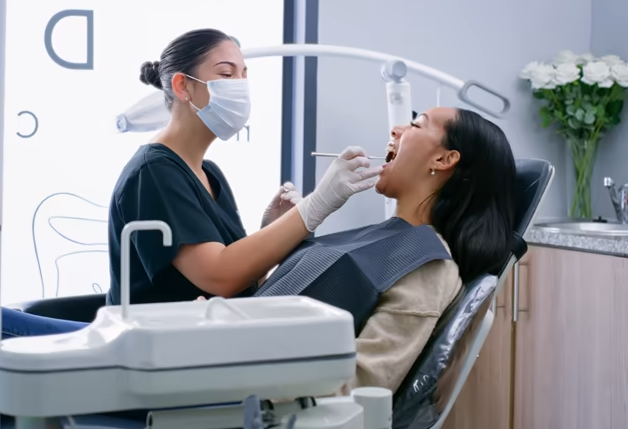
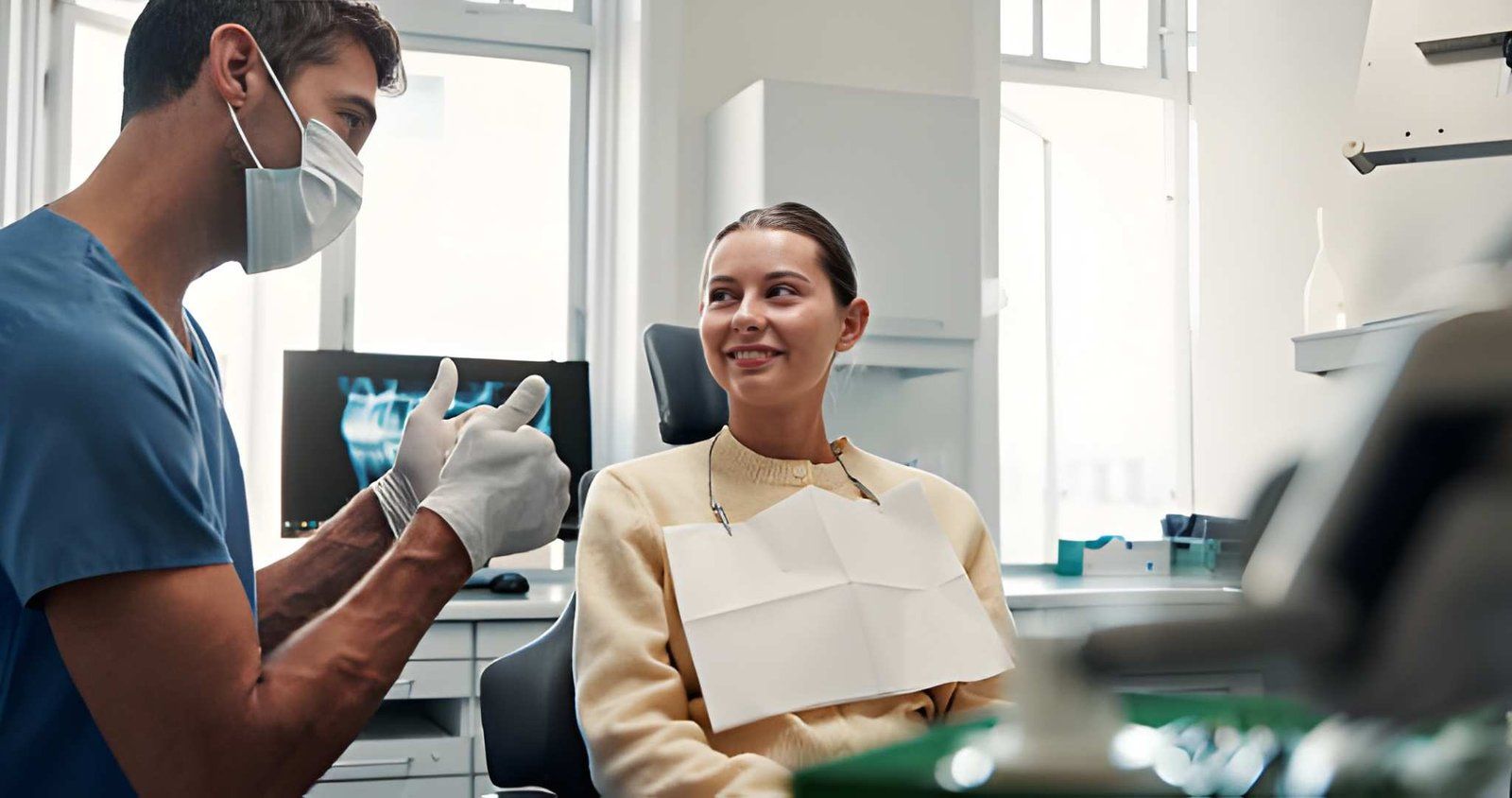
Airway-focused dentists use a comprehensive evaluation process to assess breathing patterns and airway health. This may include reviewing a patient's medical history, discussing sleep-related symptoms, examining oral structures, and evaluating jaw development and tongue posture. In many cases, patients seeking TMJ treatment in Jersey City may also benefit from an airway assessment, as jaw position and airway function are often closely connected.

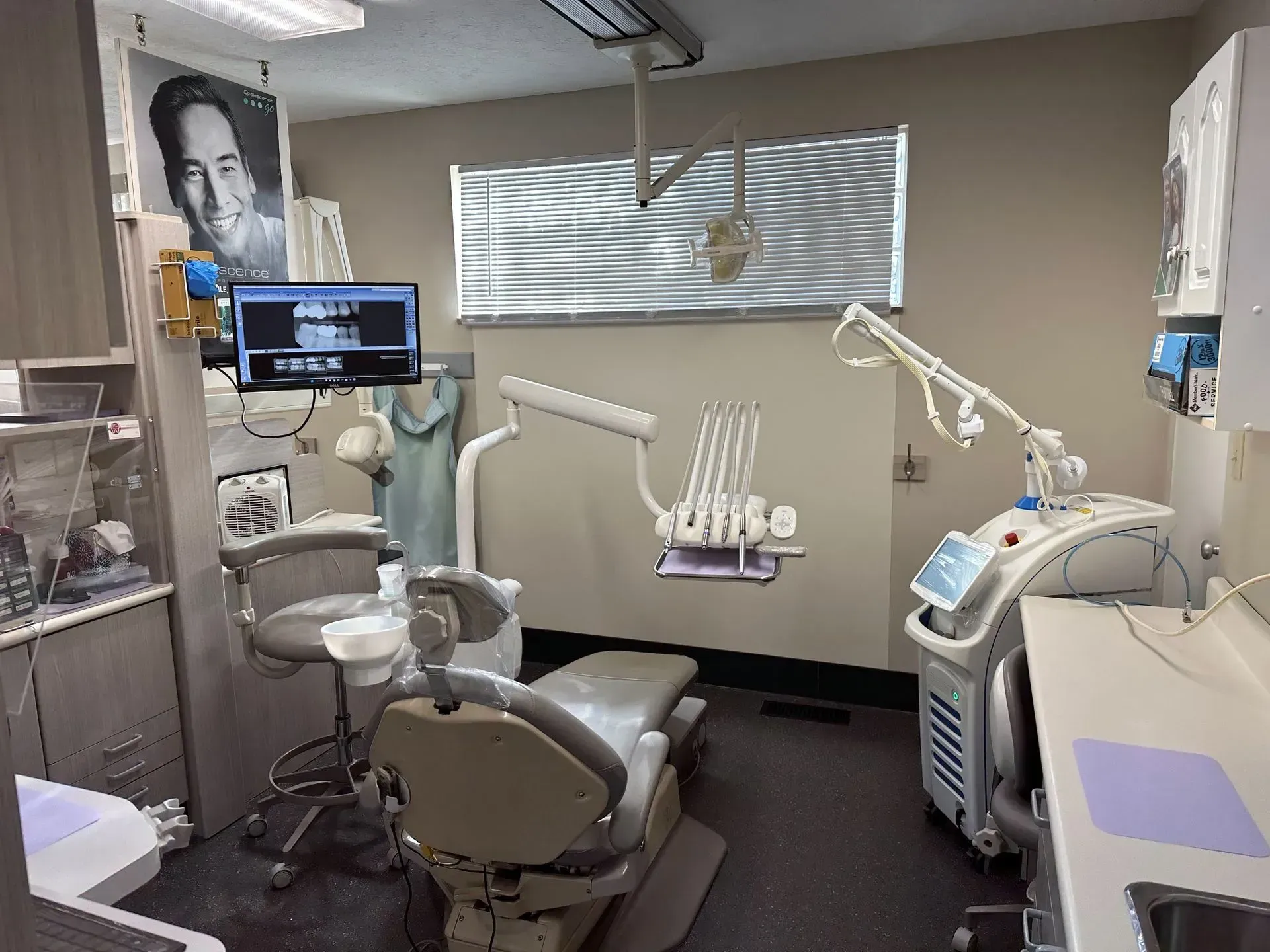
Advanced imaging technologies can provide detailed views of the airway and surrounding anatomy. In some cases, dentists may collaborate with sleep specialists to recommend sleep studies or additional diagnostic testing.


Airway Health in Children vs. Adults

Although airway dysfunction can affect individuals of all ages, the signs and consequences often differ between children and adults. In children, airway problems may influence facial growth, learning abilities, emotional regulation, and overall development. Parents may notice mouth breathing, poor sleep, bedwetting, or behavioral concerns.

Adults commonly experience symptoms such as snoring, daytime fatigue, headaches, brain fog, and sleep apnea. Regardless of age, addressing airway issues can improve both immediate quality of life and long-term health outcomes.


The Benefits of an Airway-First Approach

An airway-first approach focuses on identifying and addressing the underlying causes of breathing dysfunction rather than simply managing symptoms. By improving airflow and promoting healthier breathing patterns, patients often experience better sleep quality, increased energy, enhanced mental clarity, and improved overall wellness.

This proactive perspective allows healthcare providers to address concerns before they progress into more serious health issues, making airway-focused dentistry an important component of comprehensive healthcare.


How Airway-Focused Dentistry Helps Improve Sleep Quality

Understanding Sleep-Disordered Breathing

Sleep-disordered breathing is a term used to describe conditions that interfere with normal breathing during sleep. These conditions range from mild snoring to severe obstructive sleep apnea. While the severity varies, all forms of sleep-disordered breathing can negatively impact sleep quality and overall health.

Because breathing disruptions often occur repeatedly throughout the night, individuals may spend less time in the deep stages of sleep that are essential for physical recovery and cognitive function.


The Effects of Restricted Airflow During Sleep

When airflow becomes restricted, the body must work harder to obtain adequate oxygen. This can trigger repeated awakenings, increases in heart rate, and fluctuations in oxygen levels. Although these events may not fully wake a person, they can significantly disrupt the sleep cycle.

Over time, restricted airflow may contribute to chronic fatigue, poor concentration, irritability, decreased productivity, and reduced overall quality of life. Many people are surprised to learn that their persistent exhaustion is related to breathing difficulties during sleep rather than simply a busy lifestyle.


Oral Appliance Therapy for Better Breathing

One of the most effective treatments offered through airway-focused dentistry is oral appliance therapy. These custom-designed devices are worn during sleep and work by gently repositioning the jaw and tongue to keep the airway open.

For many individuals with mild to moderate obstructive sleep apnea or chronic snoring, oral appliances provide a comfortable and convenient solution. By improving airflow throughout the night, these devices help reduce breathing interruptions and promote more restful sleep.


Addressing Teeth Grinding and Jaw Position

Teeth grinding, also known as bruxism, is often associated with airway dysfunction. In some cases, the body subconsciously activates jaw muscles as a response to restricted breathing during sleep. This repeated muscle activity can lead to tooth wear, jaw discomfort, headaches, and muscle tension. While mouth guards in Jersey City, NJ can help protect teeth from the damaging effects of grinding, they may not address the underlying cause of the condition.

Airway-focused dentists evaluate jaw position and oral function to determine whether breathing issues may be contributing to grinding. Addressing the underlying airway concern can often help reduce symptoms, minimize the need for long-term protective appliances, and improve overall sleep quality.


Myofunctional Therapy and Healthy Breathing Habits

Myofunctional therapy is another valuable tool used in airway-focused care. This therapy involves exercises that strengthen and retrain the muscles of the tongue, lips, face, and throat.

The goal is to encourage proper tongue posture, support nasal breathing, and improve overall muscle function. When combined with other treatments, myofunctional therapy can contribute to lasting improvements in airway health and sleep quality.


Supporting Better Oxygen Flow and Restorative Sleep

Healthy breathing allows the body to maintain consistent oxygen levels throughout the night. Adequate oxygen delivery is essential for tissue repair, hormone regulation, memory consolidation, and immune function.

When airway restrictions are addressed, many patients experience deeper, more restorative sleep. This improvement often translates into increased energy, better mood, and enhanced daily performance.


Reducing Daytime Fatigue and Brain Fog

Poor sleep quality affects nearly every aspect of daily life. Individuals with untreated airway issues frequently struggle with fatigue, mental fog, reduced focus, and decreased productivity.

As breathing improves and sleep becomes more restorative, patients often report greater mental clarity, improved concentration, and increased motivation. These benefits can positively influence work performance, academic achievement, and overall quality of life.


Improving Long-Term Sleep Health

Addressing airway dysfunction is not simply about reducing snoring or improving sleep for a few nights. The goal is to create sustainable improvements that support long-term health and wellness.

By identifying and treating the underlying causes of breathing difficulties, airway-focused dentistry helps patients establish healthier sleep patterns that can benefit them for years to come.


The Impact of Airway Health on Overall Wellness

Better Energy, Focus, and Productivity

Quality sleep provides the foundation for physical and mental performance. When breathing is optimized and sleep disruptions are minimized, individuals often experience increased energy levels and improved focus throughout the day.

Many patients find that simple tasks become easier, concentration improves, and productivity increases once airway-related sleep issues are addressed.


Supporting Heart and Cardiovascular Health

Research continues to demonstrate the connection between sleep-disordered breathing and cardiovascular health. Repeated oxygen deprivation and sleep interruptions can place additional stress on the heart and circulatory system.

Improving airway function may help reduce some of these risks by supporting healthier oxygen levels and more restorative sleep.


Improving Mental and Emotional Well-Being

Sleep and mental health are closely connected. Chronic sleep disruption can contribute to anxiety, mood changes, irritability, and emotional instability. Individuals who achieve better sleep through airway-focused treatment often notice improvements in mood, stress management, and overall emotional well-being.


Healthy Growth and Development in Children

For children, proper breathing and quality sleep are essential for healthy growth and development. Airway issues can affect facial structure, cognitive development, learning ability, and behavior. Early intervention provides an opportunity to support healthy development during critical growth periods.


Enhanced Immune Function and Recovery

The body relies on quality sleep to maintain a strong immune system and recover from daily stressors. Improved breathing supports more effective sleep, which in turn enhances the body's ability to repair tissues, regulate inflammation, and defend against illness.


The Value of a Multidisciplinary Treatment Approach

Airway health often requires collaboration among multiple healthcare professionals. Dentists may work closely with sleep physicians, orthodontists, pediatricians, ear, nose, and throat specialists, and myofunctional therapists to develop comprehensive treatment plans. This whole-body approach aligns with the philosophy of Riverside Holistic Dentistry, where oral health is viewed as an important component of overall wellness and long-term health.

This collaborative approach ensures that patients receive personalized care that addresses both symptoms and underlying causes, leading to more effective and lasting treatment outcomes.


When to Schedule an Airway Evaluation

Individuals who experience chronic snoring, mouth breathing, excessive daytime fatigue, restless sleep, frequent headaches, or suspected sleep apnea should consider scheduling an airway evaluation. Parents may also seek assessment for children who demonstrate sleep-related issues or behavioral concerns.

Early evaluation can help identify problems before they lead to more significant health complications.


Taking the First Step Toward Better Sleep and Health

Many people spend years struggling with symptoms without realizing that breathing dysfunction may be the root cause. An airway evaluation provides valuable insight into how breathing patterns may be affecting sleep and overall health.

By understanding and addressing airway concerns, patients can take meaningful steps toward improved wellness and a better quality of life.


Conclusion

The relationship between airway health, sleep quality, and overall wellness is increasingly recognized as a critical component of preventive healthcare. Airway-focused dentistry offers a comprehensive approach to identifying breathing-related issues that may otherwise go undetected.

Through detailed evaluations and targeted treatment strategies, airway-focused dentists help patients improve airflow, achieve better sleep, and support long-term health. Whether addressing snoring, sleep apnea, mouth breathing, or developmental concerns in children, this approach focuses on treating the root causes of dysfunction rather than simply managing symptoms.

Contact us today to schedule a comprehensive airway assessment and learn how personalized treatment solutions can help you breathe better, sleep more soundly, and enjoy a healthier quality of life.


Frequently Asked Questions


Can a dentist help with sleep apnea?

Yes. Airway-focused dentists can identify signs of sleep-disordered breathing and provide oral appliance therapy for appropriate patients while collaborating with sleep specialists when necessary.


What are the signs of airway problems?

Common signs include chronic snoring, mouth breathing, fatigue, headaches, restless sleep, difficulty concentrating, and teeth grinding.


Is airway-focused dentistry suitable for children?

Yes. Early evaluation can help identify airway issues that may affect growth, development, learning, and sleep quality.


How do oral appliances improve sleep?

Oral appliances help keep the airway open during sleep by repositioning the jaw and tongue, reducing airflow obstruction and improving breathing.


What is myofunctional therapy?

Myofunctional therapy uses targeted exercises to improve tongue posture, strengthen oral muscles, encourage nasal breathing, and support airway function.


When should I get an airway evaluation?

You should consider an evaluation if you experience chronic snoring, poor sleep quality, excessive daytime fatigue, mouth breathing, or symptoms suggestive of sleep apnea.


July 8, 2026
As more people become interested in whole-body wellness, holistic dentistry has emerged as a popular option for individuals seeking a more comprehensive approach to oral healthcare. Patients today are increasingly aware that oral health does not exist in isolation. The health of the teeth, gums, jaw, and airway can have a significant impact on overall wellness, influencing everything from digestion and sleep quality to inflammation and long-term health outcomes. Unlike traditional dentistry, which often focuses primarily on diagnosing and treating oral conditions, holistic dentistry considers how dental health connects with the rest of the body. This patient-centered philosophy emphasizes prevention, biocompatible materials, personalized care, and identifying the underlying causes of oral health concerns whenever possible. If you are planning your first appointment at a holistic dental practice in Riverside, you may be wondering what makes the experience different and what to expect during your visit. Many first-time patients have questions about the examination process, treatment options, and whether their overall health history will be discussed. This guide explains what happens during a first holistic dental visit, how holistic dentists approach patient care, and how this integrative model can support both oral health and overall wellness for years to come. Understanding the Holistic Dentistry Approach What Is Holistic Dentistry? Holistic dentistry is an approach to dental care that recognizes the connection between oral health and overall health. Rather than focusing exclusively on teeth and gums, holistic dentists consider how dental conditions, treatment choices, lifestyle habits, nutrition, and systemic health influence one another. Whether patients are seeking preventive care or restorative solutions such as searching for dental bridges near me , a holistic approach focuses on achieving long-term oral health while considering overall wellness. Although holistic dentistry includes many of the same services offered by traditional dental practices, the philosophy behind treatment planning is often broader and more comprehensive. The Connection Between Oral Health and Overall Wellness Research continues to demonstrate strong links between oral health and overall health. Conditions such as gum disease have been associated with inflammation throughout the body, while chronic oral infections may contribute to systemic health concerns. The mouth can also provide important clues about a person's general health. Changes in oral tissues, chronic inflammation, sleep-related breathing disorders, and jaw dysfunction may all reflect broader health issues that deserve attention. Holistic dentists recognize these connections and strive to evaluate oral health within the context of the patient's overall wellness. How Holistic Dentists Take a Whole-Body Perspective One of the defining characteristics of holistic dentistry is its whole-body perspective. During evaluations and treatment planning, dentists consider factors that extend beyond the mouth itself. This may include discussing medical history, medications, nutritional habits, sleep quality, stress levels, breathing patterns, and lifestyle factors that influence oral health. By understanding the complete picture of a patient's health, holistic dentists can create treatment plans that address both symptoms and contributing factors. This comprehensive approach often helps patients gain a deeper understanding of how daily habits affect their oral and overall well-being. The Importance of Preventive and Personalized Care Prevention is a central principle of holistic dentistry. Rather than waiting for dental problems to become severe, holistic dentists focus on identifying risk factors early and helping patients develop habits that support long-term health. Every patient receives individualized recommendations based on their unique needs, health history, and goals. This personalized approach helps ensure that treatment plans are tailored to each person's circumstances rather than relying on a one-size-fits-all model of care. Common Treatments Offered at Riverside Holistic Dentistry A holistic dental practice may offer many of the same services found in conventional dentistry, including routine cleanings, exams, fillings, crowns, periodontal care, cosmetic treatments, and restorative procedures. However, treatment recommendations often emphasize minimally invasive techniques and biocompatible materials whenever possible. For patients dealing with persistent dental concerns, treatments such as re-root canal treatment in Jersey City may be discussed as part of a comprehensive approach to preserving oral health while supporting overall wellness. Many holistic practices also incorporate airway evaluations, TMJ assessments, nutritional guidance, and preventive wellness strategies into patient care. Why More Patients Are Choosing Holistic Dental Care The growing popularity of holistic dentistry reflects a broader shift toward preventive healthcare and patient-centered treatment. Many individuals appreciate an approach that considers their overall wellness and seeks to identify underlying causes rather than simply treating symptoms. Patients often value the additional time spent discussing health concerns, lifestyle factors, and treatment options. This collaborative relationship can lead to greater confidence and engagement in long-term oral health care. The Benefits of Integrative Dental Treatment Integrative dental treatment combines modern dental technology with a wellness-focused philosophy. Patients benefit from comprehensive evaluations, personalized recommendations, advanced diagnostics, and a greater emphasis on prevention. By considering the interactions between oral health and systemic health, holistic dentists aim to support both immediate dental needs and long-term wellness goals. What Makes a Holistic Dental Practice Different A holistic dental practice differs from a conventional dental office primarily in its philosophy and treatment approach. While maintaining high standards of clinical care, holistic dentists place additional emphasis on biocompatibility, preventive health, patient education, airway health, nutrition, and comprehensive wellness assessments. For many patients, this creates a more personalized and collaborative healthcare experience. What Happens During Your First Holistic Dental Visit? Completing Your Health and Dental History Review Your first appointment typically begins with a detailed review of your medical and dental history. This discussion is often more comprehensive than patients expect because holistic dentists seek to understand factors that may influence both oral and overall health. You may be asked about existing medical conditions, medications, allergies, sleep habits, dietary patterns, stress levels, previous dental experiences, and any symptoms you may be experiencing. This information helps the dental team identify potential risk factors and develop an individualized care plan. Discussing Your Wellness Goals and Concerns A hallmark of holistic dentistry is open communication. During your initial visit, the dentist will likely spend time discussing your concerns, priorities, and wellness goals. Whether you are interested in improving oral health, addressing chronic dental issues, exploring biocompatible treatment options, researching Invisalign treatment near me for a straighter smile, or learning more about airway health, this conversation helps ensure that your treatment plan aligns with your needs and expectations. Patients often appreciate the opportunity to ask questions and actively participate in treatment decisions. A Comprehensive Oral Health Examination Following the consultation, the dentist will perform a thorough oral examination. This evaluation goes beyond checking for cavities and gum disease. The dentist will assess the condition of your teeth, gums, bite alignment, jaw function, oral tissues, and overall oral health. Any signs of inflammation, wear, infection, or structural concerns will be carefully documented and discussed. This comprehensive examination forms the foundation for future treatment recommendations. Digital Imaging and Advanced Diagnostics Modern holistic dental practices frequently utilize advanced imaging technologies to gain a detailed understanding of oral structures. Digital X-rays and other diagnostic tools provide valuable information while minimizing radiation exposure. These images help identify issues that may not be visible during a routine examination, including bone loss, hidden decay, impacted teeth, and structural abnormalities. Advanced diagnostics allow for more precise treatment planning and early intervention when necessary. Evaluating Gum Health and Existing Dental Work Healthy gums are essential for long-term oral health. During your first visit, the dentist will evaluate your gum tissue for signs of inflammation, recession, infection, or periodontal disease. Existing dental restorations such as fillings, crowns, bridges, and implants will also be assessed. The dentist may discuss whether any older restorations require monitoring or replacement and explain available treatment options if concerns are identified. Airway, Bite, and TMJ Assessment Many holistic dental practices place a strong emphasis on airway health and functional dentistry. As part of your evaluation, the dentist may assess breathing patterns, tongue posture, jaw alignment, bite function, and temporomandibular joint (TMJ) health. Airway restrictions and bite imbalances can contribute to symptoms such as headaches, jaw pain, teeth grinding, sleep disturbances, and chronic fatigue. Identifying these issues early can help prevent more complex problems from developing. Reviewing Biocompatible Treatment Options If treatment is needed, the dentist will discuss available options and explain the materials being considered. Holistic dentists often prioritize biocompatible materials that are selected based on safety, durability, and compatibility with the patient's individual needs. Patients are encouraged to ask questions and participate in treatment decisions. This collaborative process helps ensure comfort and confidence throughout care. Creating a Personalized Treatment Plan At the conclusion of the visit, the dentist will review findings and develop a personalized treatment plan. At Riverside Holistic Dentistry , this plan may include preventive recommendations, restorative treatments, periodontal care, nutritional guidance, airway therapy, or other services depending on your specific needs and overall health goals. The goal is to create a roadmap that supports both immediate dental health and long-term wellness objectives, helping patients achieve a healthier smile while supporting whole-body wellness. How Holistic Dentistry Supports Long-Term Health Focus on Prevention and Early Intervention One of the greatest advantages of holistic dentistry is its commitment to prevention. By identifying risk factors early and addressing minor concerns before they become major problems, patients can often avoid more extensive treatment in the future. Preventive care also promotes healthier habits and empowers patients to take an active role in maintaining their oral health. Biocompatible Materials and Patient Safety Holistic dentists carefully consider the materials used in dental treatments. Biocompatible materials are selected with patient safety, comfort, and long-term performance in mind. This focus reflects the holistic philosophy of supporting health while delivering effective dental care. Addressing the Root Cause of Oral Health Issues Rather than simply treating symptoms, holistic dentistry seeks to understand why a problem developed in the first place. Whether the issue involves gum disease, tooth wear, chronic inflammation, or recurrent dental problems, identifying underlying contributing factors often leads to more successful outcomes. This root-cause approach supports lasting improvements in oral health. The Role of Nutrition in Dental Wellness Nutrition plays an important role in maintaining healthy teeth and gums. During your care, a holistic dentist may discuss dietary habits and how nutrition affects oral health. Proper nutrition supports strong enamel, healthy gum tissue, immune function, and the body's ability to heal. These conversations help patients make informed choices that benefit both oral and overall wellness. Supporting Airway Health and Better Sleep Healthy breathing is essential for quality sleep and overall health. Many holistic dentists evaluate airway function because restricted breathing can contribute to snoring, sleep apnea, fatigue, and other health concerns. Addressing airway-related issues may improve sleep quality, energy levels, cognitive function, and long-term wellness. Ongoing Patient Education and Wellness Guidance Education is a cornerstone of holistic dentistry. Patients receive guidance on oral hygiene, nutrition, lifestyle habits, stress management, and preventive care strategies that support long-term health. This emphasis on education empowers individuals to make informed decisions and actively participate in their wellness journey. Building a Long-Term Partnership for Oral Health Holistic dentistry emphasizes relationships built on trust, communication, and collaboration. Rather than focusing solely on individual procedures, holistic dentists strive to become long-term partners in their patients' health. This ongoing relationship supports continuity of care and helps patients maintain healthy smiles throughout every stage of life. Scheduling Your Next Visit with Confidence After completing your first appointment, you will leave with a clear understanding of your oral health status and recommended next steps. Whether treatment is needed immediately or preventive care is the primary focus, you can move forward with confidence knowing that your care plan has been tailored to your unique needs. Conclusion Your first holistic dental visit in Riverside is designed to provide far more than a routine dental examination. From reviewing your overall health history and wellness goals to evaluating oral structures, airway function, and existing dental work, holistic dentistry takes a comprehensive approach to patient care. By focusing on prevention, biocompatible treatment options, personalized care, and whole-body wellness, holistic dentists help patients achieve healthier smiles while supporting long-term health. This integrative philosophy allows patients to better understand the connection between oral health and overall well-being. If you are ready to experience a more personalized approach to dental care, contact us today to schedule your first appointment at Riverside Holistic Dentistry. Our team is here to answer your questions, discuss your dental wellness goals, and help you begin your journey toward healthier teeth, healthier gums, and improved overall well-being. Frequently Asked Questions What is the difference between holistic dentistry and traditional dentistry? Holistic dentistry considers the relationship between oral health and overall health, emphasizing prevention, personalized care, biocompatible materials, and whole-body wellness alongside traditional dental treatment. How long does a first holistic dental visit take? The initial visit is often longer than a standard dental appointment because it includes a comprehensive health review, consultation, examination, and treatment planning discussion. Are holistic dental treatments safe? Yes. Holistic dental treatments follow established dental standards while incorporating additional considerations related to biocompatibility, patient wellness, and preventive care. Does holistic dentistry use mercury-free materials? Many holistic dental practices prioritize mercury-free and biocompatible restorative materials when appropriate for patient care. Will my overall health be discussed during the appointment? Yes. Holistic dentists often review medical history, lifestyle factors, sleep habits, nutrition, and wellness goals as part of the evaluation process. Can holistic dentistry help with TMJ and airway concerns? Many holistic dental practices assess TMJ function, bite alignment, and airway health and may recommend treatments or referrals when concerns are identified. Is holistic dentistry suitable for children? Yes. Holistic dentistry can benefit patients of all ages and often emphasizes prevention, healthy development, and early intervention for children. How often should I visit a holistic dentist? Most patients benefit from routine examinations and cleanings every six months, although visit frequency may vary depending on individual oral health needs and treatment goals.
By Safa Shams June 8, 2026
Temporomandibular joint (TMJ) disorders are more common than many people realize, yet they often go undiagnosed or misunderstood. The discomfort associated with TMJ can affect daily activities such as eating, speaking, and even sleeping. Because the symptoms can overlap with other conditions like headaches or ear pain, many individuals may not immediately recognize that their jaw joint is the root of the problem. Understanding the early signs of TMJ disorder and exploring holistic treatment options can help manage symptoms effectively and improve overall quality of life. With the right approach, it is possible to reduce discomfort, restore function, and prevent long-term complications. Introduction to TMJ Disorders The temporomandibular joint connects the jawbone to the skull and plays a crucial role in everyday movements such as chewing and speaking. When this joint becomes strained or misaligned, it can lead to TMJ disorder. What Is TMJ Disorder? TMJ disorder refers to a group of conditions that affect the jaw joint and surrounding muscles. These disorders can cause pain, restricted movement, and discomfort in the jaw area. The temporomandibular joint functions like a sliding hinge, allowing the jaw to move up, down, and side to side. When the joint is not functioning properly, even simple movements can become difficult or painful, sometimes requiring related dental care such as root canal therapy jersey city nj when underlying issues are present. TMJ disorders can range from mild discomfort to severe pain, depending on the underlying cause and the severity of the condition. Why TMJ Issues Are Often Overlooked One of the challenges with TMJ disorders is that their symptoms can mimic other conditions. For example, headaches caused by TMJ may be mistaken for migraines, while ear pain may be misdiagnosed as an ear infection. Because of this overlap, individuals may seek treatment for the symptoms rather than addressing the root cause. This can delay proper diagnosis and prolong discomfort. Raising awareness about TMJ symptoms is essential for early detection and effective treatment. Common Signs and Symptoms of TMJ Disorder Recognizing the signs of TMJ disorder is the first step toward finding relief. Symptoms can vary from person to person, but several common indicators can help identify the condition. Jaw Pain and Stiffness Pain in the jaw is one of the most noticeable symptoms of TMJ disorder. This discomfort may occur while chewing, speaking, or opening the mouth. Some individuals experience stiffness in the jaw, making it difficult to move freely. In severe cases, the jaw may feel locked or unable to open fully. The pain can be constant or intermittent, depending on the severity of the condition. Clicking, Popping, or Grinding Sounds Many people with TMJ disorder notice clicking or popping sounds when they open or close their mouth. These sounds occur when the joint is not moving smoothly. While occasional clicking may not always indicate a problem, persistent or painful sounds should be evaluated by a professional. Grinding sensations can also occur, particularly in individuals who clench or grind their teeth. Headaches, Ear Pain, and Facial Tension TMJ disorders can cause pain that extends beyond the jaw. Frequent headaches, especially around the temples, are a common symptom. Ear pain or a feeling of fullness in the ears can also occur, even when there is no actual ear infection. Facial tension and soreness in the surrounding muscles may further contribute to discomfort. These symptoms can significantly impact daily life and overall well-being. Causes and Risk Factors of TMJ Disorder Understanding the causes of TMJ disorder can help in both prevention and treatment. Teeth Grinding and Jaw Clenching (Bruxism) Bruxism, or the habit of grinding or clenching teeth, is one of the leading causes of TMJ disorder. This behavior often occurs during sleep or in response to stress. Constant pressure on the jaw joint can lead to inflammation, pain, and misalignment. Over time, this can worsen TMJ symptoms conditions often addressed through comprehensive care at Riverside Holistic Dentistry . Managing stress and addressing bruxism can help reduce the strain on the jaw. Injury, Misalignment, and Lifestyle Factors Physical injury to the jaw, such as trauma or impact, can damage the temporomandibular joint and lead to TMJ disorder. Misaligned teeth or bite issues can also contribute to uneven pressure on the joint. Additionally, lifestyle factors such as poor posture, excessive gum chewing, or frequent yawning can strain the jaw. Identifying and addressing these factors is essential for effective treatment. Holistic Treatment Options for TMJ Relief Holistic approaches focus on treating the root cause of TMJ disorder rather than just managing symptoms. These methods aim to improve overall well-being while reducing discomfort. Stress Management and Relaxation Techniques Stress is a major contributor to TMJ disorder, particularly in cases involving teeth grinding or jaw clenching. Managing stress can significantly reduce symptoms. Techniques such as meditation, deep breathing exercises, and mindfulness can help relax the muscles around the jaw. Regular practice of these methods can improve both mental and physical health. Reducing stress not only benefits TMJ symptoms but also enhances overall quality of life. Physical Therapy and Jaw Exercises Physical therapy can be highly effective in treating TMJ disorder. Targeted exercises help strengthen the jaw muscles, improve flexibility, and restore proper movement. Simple exercises, such as gentle stretching and controlled jaw movements, can reduce stiffness and pain. A trained professional can guide patients through a customized exercise routine. Consistency is key to achieving long-term results. Dietary Adjustments and Lifestyle Changes Diet plays an important role in managing TMJ symptoms. Soft foods that require minimal chewing can reduce strain on the jaw. Avoiding hard, crunchy, or chewy foods can prevent further irritation. Staying hydrated and maintaining a balanced diet also support overall health. Lifestyle changes, such as improving posture and avoiding habits that strain the jaw, can contribute to recovery. Alternative Therapies and Natural Remedies Many individuals find relief through alternative therapies such as acupuncture, massage therapy, and chiropractic care. These treatments focus on relieving tension and improving alignment. Warm compresses and natural remedies can also help reduce inflammation and discomfort. While these methods may not replace medical treatment, they can complement other therapies. A holistic approach often combines multiple methods to achieve the best results. When to Seek Professional Help While mild TMJ symptoms may improve with self-care, persistent or severe discomfort requires professional attention. Importance of Early Diagnosis Early diagnosis is crucial for preventing the progression of TMJ disorder. Addressing symptoms promptly can reduce the risk of long-term complications. A dental or healthcare professional can evaluate the condition, identify the underlying cause, and recommend appropriate treatment. Ignoring symptoms may lead to increased pain and more complex treatment in the future. Working with Dental and Holistic Practitioners A comprehensive approach to TMJ treatment often involves collaboration between dental professionals and holistic practitioners. Dentists can assess bite alignment, provide mouthguards, and address structural issues. Holistic practitioners can offer therapies that focus on relaxation and overall well-being. Combining these approaches ensures a well-rounded treatment plan tailored to individual needs. Conclusion TMJ disorder can significantly impact daily life, but understanding its signs and causes can lead to effective management. Recognizing symptoms early allows individuals to seek appropriate care and prevent further complications. Holistic treatment options offer a natural and comprehensive approach to managing TMJ symptoms. By addressing both physical and emotional factors, these methods can provide long-lasting relief and improve overall wellness. If you are experiencing symptoms of TMJ disorder, taking action is the first step toward recovery. Contact us today to learn more about treatment options and begin your journey to a healthier, more comfortable life. Frequently Asked Questions (FAQs)
By Safa Shams June 8, 2026
When people think about oral health, they often focus on maintaining a bright smile and preventing cavities. However, the importance of oral hygiene goes far beyond appearance. The health of your mouth is closely connected to the health of your entire body, influencing everything from heart function to immune response. This relationship, commonly referred to as the mouth-body connection, highlights how oral health plays a critical role in overall wellness. In recent years, growing research has emphasized that poor oral hygiene can contribute to serious health conditions. Understanding this connection can help individuals take a more proactive approach to both dental care and general health. Introduction to the Mouth-Body Connection The mouth is not an isolated part of the body. It serves as a gateway to the digestive and respiratory systems, making it a key point of interaction between external factors and internal health. What Is the Mouth-Body Connection? The mouth-body connection refers to the link between oral health and systemic health. The mouth contains millions of bacteria, most of which are harmless when proper hygiene is maintained. However, without regular care, harmful bacteria can multiply and lead to infections such as gum disease conditions that may eventually require treatment from a root canal dentist in jersey city if left untreated. These bacteria can enter the bloodstream through inflamed or damaged gum tissue. Once in the bloodstream, they can travel to other parts of the body, potentially contributing to inflammation and disease. This connection shows that oral health is not just about teeth and gums—it is an essential part of overall health. Why Oral Health Is More Than Just a Smile A healthy smile is often seen as a sign of good hygiene, but the benefits extend much further. Proper oral care helps prevent infections, reduces inflammation, and supports overall bodily functions. Neglecting oral health can lead to more than just dental problems. It can contribute to chronic conditions, affect quality of life, and increase healthcare costs. By recognizing the broader impact of oral health, individuals can make more informed decisions about their daily habits and healthcare routines. How Oral Health Affects Overall Wellness Oral health influences the body in several ways, primarily through bacteria and inflammation. The Role of Bacteria and Inflammation The mouth naturally contains bacteria, but poor oral hygiene can lead to an overgrowth of harmful bacteria. This can result in plaque buildup, gum disease, and infections. When gums become inflamed or bleed, bacteria can enter the bloodstream. This can trigger inflammation in other parts of the body, which is a key factor in many chronic diseases. Inflammation is the body’s response to infection, but when it becomes chronic, it can damage tissues and organs. Maintaining oral health helps control bacterial growth and reduce inflammation. Impact on Immune System Function The immune system works to protect the body from harmful pathogens. However, chronic oral infections can place a constant burden on the immune system. When the body is continuously fighting oral bacteria, it may become less effective at addressing other health issues. This can weaken overall immunity and increase susceptibility to illness. By maintaining good oral hygiene, individuals can support their immune system and reduce the risk of infections. Common Health Conditions Linked to Oral Health The mouth-body connection is evident in several health conditions that are influenced by oral health. Heart Disease and Cardiovascular Issues One of the most well-known links is between gum disease and heart disease. Studies suggest that bacteria from the mouth can enter the bloodstream and contribute to the buildup of plaque in the arteries. This can increase the risk of conditions such as atherosclerosis, which can lead to heart attacks and strokes. Inflammation caused by oral infections may also play a role in cardiovascular disease. Maintaining healthy gums can help reduce these risks and support heart health. Diabetes and Blood Sugar Control The relationship between oral health and diabetes is two-way. People with diabetes are more prone to gum disease due to reduced ability to fight infections. At the same time, gum disease can make it more difficult to control blood sugar levels. Inflammation can interfere with insulin function, leading to higher blood glucose levels—an issue often addressed through comprehensive care at Riverside Holistic Dentistry . Managing oral health is an important part of diabetes care, helping to improve overall health outcomes. Respiratory Infections and Other Conditions Oral bacteria can also affect the respiratory system. Inhaling bacteria from the mouth can lead to infections such as pneumonia, particularly in individuals with weakened immune systems. Other conditions, including complications during pregnancy and certain autoimmune diseases, have also been linked to poor oral health. These connections highlight the importance of maintaining oral hygiene as part of overall health management. The Importance of Preventive Dental Care Preventive dental care is essential for maintaining both oral and overall health. Regular Dental Checkups and Cleanings Routine dental visits allow professionals to remove plaque and tartar that cannot be eliminated through regular brushing. Cleanings help prevent cavities and gum disease. Dental checkups also provide an opportunity to detect early signs of health issues. Dentists can identify problems such as oral infections, gum disease, and even signs of systemic conditions. Regular visits ensure that any issues are addressed before they become more serious. Daily Oral Hygiene Practices Maintaining oral health at home is equally important. Brushing teeth at least twice a day with fluoride toothpaste helps remove plaque and prevent decay. Flossing daily removes food particles and bacteria from between the teeth, where a toothbrush cannot reach. Using mouthwash can provide additional protection against bacteria. Consistent oral hygiene practices form the foundation of long-term health. Lifestyle Factors That Influence Oral and Overall Health Lifestyle choices play a significant role in both oral and overall health. Diet, Nutrition, and Hydration A balanced diet supports strong teeth and gums. Foods rich in vitamins and minerals, such as calcium and vitamin C, help maintain oral health. Limiting sugary and acidic foods reduces the risk of cavities and enamel erosion. Drinking plenty of water helps wash away food particles and bacteria. Healthy eating habits contribute to both oral hygiene and overall wellness. Habits Such as Smoking and Alcohol Use Smoking and excessive alcohol consumption can have serious effects on oral health. Smoking increases the risk of gum disease, tooth loss, and oral cancer. Alcohol can dry out the mouth, reducing saliva production and increasing the risk of bacterial growth. Avoiding or limiting these habits can significantly improve oral and overall health. Conclusion The mouth-body connection underscores the importance of oral health as a key component of overall wellness. Maintaining healthy teeth and gums is not just about appearance—it is essential for preventing disease and supporting the body’s overall function. By practicing good oral hygiene, attending regular dental checkups, and making healthy lifestyle choices, individuals can protect both their oral and general health. Understanding this connection empowers people to take a proactive approach to their well-being. A healthy mouth truly contributes to a healthier body. If you are ready to improve your oral health and support your overall wellness, contact us today to schedule your next dental visit and take the first step toward a healthier future. Frequently Asked Questions (FAQs)
By Safa Shams April 30, 2026
Introduction to the Mouth-Body Connection For many years, oral health was viewed in isolation—something limited to teeth, gums, and routine dental visits. However, modern research has transformed this perspective. Today, healthcare professionals widely recognize that the mouth is deeply connected to the rest of the body. This relationship, often referred to as the mouth-body connection, highlights how oral health can directly influence overall wellness. The mouth serves as one of the primary entry points to the body. It hosts millions of bacteria, most of which are harmless when balanced properly. However, when oral hygiene is neglected, harmful bacteria can multiply, leading to infections and inflammation. These issues don’t always remain confined to the mouth—they can spread and contribute to broader health concerns. Understanding this connection is essential for anyone looking to improve not just their dental health, but their overall quality of life. Understanding Oral Health Beyond Teeth and Gums Oral health is more than just having a bright smile or cavity-free teeth. It involves maintaining a healthy balance of bacteria, strong gums, and properly functioning oral tissues. The mouth is a complex ecosystem where beneficial and harmful bacteria coexist. When this balance is disrupted, it can lead to plaque buildup, gum disease, and tooth decay, sometimes requiring timely intervention through emergency dental services . Poor oral hygiene allows bacteria to accumulate along the gumline, forming plaque that can harden into tartar. This buildup irritates the gums, leading to inflammation known as gingivitis. If left untreated, it can progress to periodontitis, a more severe form of gum disease that damages the supporting structures of the teeth and may eventually necessitate emergency dental services to manage advanced complications. Early signs of oral health issues often include bleeding gums, persistent bad breath, sensitivity, and discomfort while chewing. These symptoms may seem minor at first, but they can indicate deeper problems that may affect the body as a whole. How Oral Health Affects the Entire Body The connection between oral health and overall wellness lies primarily in the movement of bacteria and the body’s inflammatory response. When gums are inflamed or infected, they become more permeable, allowing bacteria to enter the bloodstream. Once in circulation, these bacteria can travel to different parts of the body. The immune system responds to this invasion by triggering inflammation, which is a natural defense mechanism. However, chronic inflammation can be harmful and is linked to several serious health conditions. Over time, this ongoing immune response can strain the body and contribute to disease development. In addition, oral infections can make it more difficult for the body to regulate other conditions, creating a cycle where poor oral health worsens systemic health—and vice versa. Key Health Conditions Linked to Oral Health Research has established strong associations between oral health and several systemic conditions. While oral health may not always be the sole cause, it can significantly influence the severity and progression of these diseases, a connection often emphasized in practices like Riverside Holistic Dentistry that focus on whole-body wellness. One of the most well-known connections is with cardiovascular disease. Studies suggest that bacteria from gum infections can contribute to inflammation in blood vessels, increasing the risk of heart disease and stroke—an important consideration highlighted by professionals at Riverside Holistic Dentistry . Respiratory infections can also be influenced by oral health. Harmful bacteria from the mouth can be inhaled into the lungs, potentially leading to conditions such as pneumonia, especially in vulnerable individuals. In pregnant women, poor oral health has been associated with complications such as premature birth and low birth weight. Hormonal changes during pregnancy can also make gums more sensitive, increasing the risk of inflammation. Additionally, oral health plays a role in immune system function. Chronic infections in the mouth can place a constant burden on the immune system, making the body less effective at defending against other illnesses. The Role of Inflammation in the Mouth-Body Link Inflammation is at the core of the mouth-body connection. While it is a natural and necessary response to injury or infection, chronic inflammation can have damaging effects on the body. In the case of gum disease, inflammation begins in the gums but can extend beyond the oral cavity. The inflammatory chemicals released by the body can enter the bloodstream and affect other tissues and organs. This systemic inflammation has been linked to conditions such as heart disease, arthritis, and metabolic disorders. What makes chronic inflammation particularly concerning is that it often goes unnoticed. Unlike acute pain or visible injury, low-grade inflammation can persist silently, gradually affecting overall health. This is why maintaining good oral hygiene is not just about preventing dental problems—it’s also about reducing the body’s inflammatory burden. Signs Your Oral Health May Be Affecting Your Body The body often provides subtle signals when oral health begins to impact overall wellness. Recognizing these signs early can help prevent more serious complications. Persistent bad breath is one of the most common indicators of bacterial imbalance in the mouth. Bleeding or swollen gums may signal inflammation that could extend beyond the oral cavity. Tooth sensitivity or pain may indicate underlying infection or decay. In some cases, people may experience frequent infections, fatigue, or difficulty managing existing health conditions. While these symptoms can have multiple causes, poor oral health may be a contributing factor. Being attentive to these warning signs and seeking timely dental care can make a significant difference in maintaining both oral and overall health. Benefits of Maintaining Good Oral Health Good oral hygiene offers benefits that go far beyond a clean smile. It plays a crucial role in supporting the body’s overall health and function. Maintaining healthy teeth and gums reduces the risk of systemic infections and chronic diseases. It also supports proper digestion, as chewing is the first step in breaking down food and aiding nutrient absorption. A healthy mouth contributes to better immune function by minimizing the presence of harmful bacteria. It can also improve confidence and quality of life, as oral health is closely linked to speech, appearance, and comfort. By prioritizing oral care, individuals can take a proactive approach to their overall well-being. Preventive Care for Better Oral and Overall Health Prevention is one of the most effective ways to maintain both oral and systemic health. Simple daily habits can make a significant difference over time. Brushing twice a day with fluoride toothpaste and flossing regularly helps remove plaque and prevent bacterial buildup. Regular dental check-ups allow for early detection of potential issues before they become serious. Diet also plays an important role. Limiting sugary foods and beverages reduces the risk of tooth decay, while a balanced diet supports overall health. Staying hydrated helps maintain saliva production, which naturally protects the mouth by washing away bacteria. Professional cleanings and personalized dental advice further enhance preventive care, ensuring that each individual’s needs are properly addressed. Modern and Holistic Approaches to Oral Health As awareness of the mouth-body connection grows, many dental practices are adopting more holistic approaches to care. These methods focus on treating the patient as a whole rather than addressing isolated symptoms. Biocompatible materials, such as metal-free restorations, are increasingly used to minimize potential adverse reactions. Dentists are also paying closer attention to how treatments affect overall health, including the immune system and inflammation levels. Holistic dentistry often emphasizes minimally invasive procedures, toxin-free materials, and a strong focus on prevention. This approach aligns with the broader goal of promoting long-term wellness rather than simply managing symptoms. Frequently Asked Questions (FAQs) Can oral health really affect overall health? Yes, poor oral health can contribute to inflammation and infections that impact various parts of the body. How is gum disease linked to heart problems? Bacteria from infected gums can enter the bloodstream and contribute to inflammation in blood vessels. Is there a connection between oral health and diabetes? Yes, gum disease can make it harder to control blood sugar, and diabetes can increase the risk of oral infections. How often should I visit the dentist? Most people should visit every six months, although individual needs may vary. What is the best way to maintain oral health? Consistent brushing, flossing, a balanced diet, and regular dental visits are key. Conclusion Oral health is not separate from overall health—it is an essential part of it. The mouth-body connection highlights how conditions in the oral cavity can influence the entire body, from the heart to the immune system. Ignoring oral hygiene can lead to inflammation and infections that extend far beyond the gums and teeth. By understanding this connection, individuals can take a more proactive approach to their health. Simple habits like regular brushing, flossing, and dental check-ups can have a lasting impact on overall wellness. Early detection and preventive care are crucial in reducing long-term risks and maintaining a healthy balance within the body. Ultimately, a healthy mouth supports a healthier life. Prioritizing oral care is not just about maintaining a smile—it is about protecting and enhancing overall well-being for the long term. Contact us to learn how we can help you achieve long-term wellness through better oral care.
By Safa Shams April 30, 2026
Dental crowns have played a vital role in restorative dentistry for decades, helping protect weakened teeth, restore function, and improve appearance. Traditionally, crowns were made using metals or metal-based combinations because of their strength. However, with advancements in dental science and patient awareness, there has been a clear shift toward more biocompatible and aesthetically pleasing options. Today, many patients are choosing metal-free crowns not just for cosmetic reasons, but also for their long-term health benefits. Modern dentistry is no longer limited to fixing dental problems; it now focuses on solutions that contribute to overall wellness. This is where metal-free crowns stand out—they align with both functional and holistic health goals. What Are Metal-Free Crowns? Metal-free crowns are dental restorations made entirely from high-quality ceramic materials such as zirconia, lithium disilicate (E-max), or advanced porcelain. Unlike traditional crowns, they do not contain any metal components, which makes them a preferred choice for patients seeking safer and more natural alternatives—especially those exploring options like veneers treatment near me for cosmetic dental improvements. One of their defining features is their ability to closely replicate the look and feel of natural teeth. Their translucency allows light to pass through in a way that mimics real enamel, making them almost indistinguishable from surrounding teeth. This makes them particularly suitable for visible areas, although newer materials are strong enough for back teeth as well, similar to the results patients expect when searching for veneers treatment near me . Oral Health Benefits of Metal-Free Crowns When it comes to oral health, metal-free crowns offer several important advantages. One of the most noticeable benefits is improved gum compatibility. Traditional metal crowns can sometimes cause irritation or a dark line along the gum margin over time. Metal-free crowns eliminate this concern, resulting in healthier and more natural-looking gums. Another key benefit is the absence of corrosion. Metals can react with saliva and food acids, leading to gradual deterioration or unpleasant tastes. Ceramic materials, on the other hand, remain stable in the oral environment, maintaining their integrity over time. Patients also often report reduced sensitivity. Because metal conducts heat and cold, traditional crowns can sometimes make teeth more sensitive to temperature changes. Metal-free materials act as insulators, providing a more comfortable experience. Additionally, these crowns typically require less removal of the natural tooth during preparation. This conservative approach helps preserve more of the original tooth structure, which is always beneficial for long-term dental health. Systemic Health Advantages The benefits of metal-free crowns extend beyond the mouth and into overall health. One of the most important considerations is biocompatibility. Ceramic materials used in these crowns are well tolerated by the body, reducing the risk of adverse reactions. For individuals with metal sensitivities or allergies, this becomes especially significant. Even though reactions to dental metals are relatively uncommon, they can still occur and cause discomfort or inflammation. Choosing a metal-free option eliminates this risk entirely. Another important aspect is the reduced exposure to metal ions. Over time, some metal restorations may release small amounts of ions into the body. While generally considered safe, many patients prefer to avoid any unnecessary exposure, especially those who follow a holistic or preventive approach to health. There is also a growing awareness of the connection between oral health and systemic conditions. Inflammation in the mouth has been linked to broader health concerns, including cardiovascular issues and immune responses. By promoting healthier gums and reducing irritants, metal-free crowns can contribute positively to overall well-being. Metal-Free vs Metal Crowns: A Practical Comparison Choosing between metal-free and traditional crowns often depends on individual needs, but the differences are quite clear. In terms of appearance, metal-free crowns provide a more natural and lifelike result. They blend seamlessly with existing teeth and do not create the dark edges sometimes seen with metal-based restorations. Durability is another important factor. While metals have long been valued for their strength, modern materials like zirconia are equally robust and capable of withstanding significant biting forces. This makes them suitable for both front and back teeth in most cases. Comfort also plays a role. Metal-free crowns tend to feel more natural because they adapt better to the surrounding tissues and do not conduct temperature in the same way as metal. From a health perspective, the absence of metal removes concerns related to allergies, corrosion, and long-term exposure. Although metal crowns may sometimes be recommended in very specific cases, the overall trend is clearly moving toward metal-free solutions. The Procedure for Getting Metal-Free Crowns The process of getting a metal-free crown is relatively straightforward and typically completed in two visits, although some clinics offer same-day solutions using advanced technology. It begins with a detailed consultation, where the dentist examines the tooth and discusses treatment options. Once a crown is deemed necessary, the tooth is prepared by removing any damaged or decayed portions and reshaping it to accommodate the restoration. Next, impressions are taken. Many modern practices use digital scanners, which provide highly accurate images and eliminate the discomfort associated with traditional molds. These scans are then used to design the crown with precision, a process commonly followed at clinics like Riverside Holistic Dentistry that emphasize advanced and patient-friendly techniques. The crown is fabricated in a dental laboratory or in-house using CAD/CAM systems. In the meantime, a temporary crown may be placed to protect the tooth, ensuring comfort and function throughout the treatment journey at practices such as Riverside Holistic Dentistry. During the final appointment, the permanent crown is fitted, adjusted for comfort and bite alignment, and then bonded securely in place. The result is a restoration that looks, feels, and functions like a natural tooth. Longevity, Maintenance, and Cost Considerations Metal-free crowns are designed to last for many years, often exceeding a decade with proper care. Their longevity depends largely on daily habits and overall oral hygiene. Maintaining these crowns does not require any special routine beyond standard dental care. Regular brushing, flossing, and dental check-ups are usually sufficient to keep them in excellent condition. Avoiding excessive force, such as biting very hard objects, can also help extend their lifespan. Cost is another factor that patients often consider. While metal-free crowns may have a higher initial price compared to traditional options, they offer significant long-term value. Their durability, aesthetics, and health benefits often make them a worthwhile investment. Are Metal-Free Crowns Right for You? Metal-free crowns are suitable for a wide range of patients, particularly those who prioritize aesthetics and long-term health. They are an excellent choice for visible teeth, as well as for individuals who want a more natural and holistic dental solution. Patients with known metal sensitivities or those who prefer to avoid metal altogether may find these crowns especially appealing. However, every case is unique. Factors such as bite strength, tooth location, and overall dental condition must be considered before making a decision. A consultation with an experienced dentist is essential to determine whether metal-free crowns are the best option for your specific needs. Frequently Asked Questions (FAQs) Are metal-free crowns strong enough for chewing? Yes, modern materials like zirconia are extremely strong and can handle the pressure of chewing, even in back teeth. Do they require special care? No, they can be maintained with regular oral hygiene practices such as brushing, flossing, and routine dental visits. Are they completely safe? They are considered highly safe due to their biocompatibility and lack of metal content. Will they match my natural teeth? Yes, they are designed to blend seamlessly with your existing teeth in both color and translucency. How long do they last? With proper care, they can last 10 to 15 years or even longer. Conclusion Metal-free crowns represent a modern approach to dental restoration, combining functionality with a strong focus on overall health. They offer a natural appearance that closely mimics real teeth while also providing the strength needed for daily use. Their biocompatibility makes them a reliable choice for patients who want to minimize potential risks associated with metal restorations. Beyond aesthetics, these crowns contribute to better gum health and reduce the chances of irritation or sensitivity. They also align with a broader understanding of how oral health connects to systemic well-being, making them a preferred option for those seeking long-term benefits. Contact us to learn how metal-free crowns can support your long-term oral and overall health. While the initial investment may be slightly higher, the durability, comfort, and health advantages they provide often outweigh the cost. As dental technology continues to advance, metal-free crowns are becoming an increasingly popular and trusted solution for patients looking for safe, effective, and future-ready dental care.
By Safa Shams March 12, 2026
Dental implants are one of the most effective and long-lasting solutions for replacing missing teeth. They restore chewing ability, maintain jawbone structure, and improve the appearance of your smile. While dental implants have traditionally been made from titanium, many patients today are exploring alternatives that align better with a holistic approach to health. This growing interest has led to increased demand for ceramic dental implants Riverside CA, especially among patients who want metal-free implants or are concerned about titanium sensitivity. Ceramic implants, often made from zirconia, are becoming a popular option for individuals seeking holistic implant options that support both oral and overall body health. Understanding the differences between ceramic and titanium implants can help patients make informed decisions about their dental treatment. Both materials have unique advantages, and the best option often depends on individual health needs, aesthetic goals, and personal preferences. For patients also considering cosmetic dental treatments like veneers Jersey City , understanding available restorative and aesthetic options can help create a comprehensive plan for achieving both oral health and a confident smile. Understanding Dental Implants Dental implants are artificial tooth roots placed into the jawbone to support replacement teeth such as crowns, bridges, or dentures. Once placed, the implant integrates with the surrounding bone through a natural process called osseointegration. A typical dental implant consists of three main components: Implant post: The part inserted into the jawbone that acts like a natural tooth root Abutment: A connector that attaches the crown to the implant Dental crown: The visible tooth replacement that restores function and appearance Dental implants provide several important benefits compared to traditional tooth replacement options. Some of the key advantages include: Long-lasting tooth replacement solution Improved chewing and speaking ability Prevention of bone loss in the jaw Natural-looking appearance Increased comfort compared to removable dentures Patients researching ceramic dental implants Riverside CA often want a treatment that not only restores their smile but also supports overall health. Titanium Dental Implants Titanium implants have been widely used in dentistry for more than 50 years. They are known for their strength, durability, and high success rates. Titanium is a lightweight metal that integrates well with bone tissue, which makes it highly effective for dental implant procedures. This integration allows the implant to function similarly to a natural tooth root. Advantages of Titanium Implants Titanium implants offer several benefits that have made them a popular choice in dentistry. Some of the most notable advantages include: High success rate: Titanium implants have been extensively studied and have a long track record of success. Durability: Titanium is extremely strong and can withstand heavy biting forces. Flexible treatment options: Titanium implants often use a two-piece design that allows dentists to customize the restoration process. Suitable for complex cases: They can support multiple restorations such as bridges or full-arch implants. Despite these advantages, some patients are concerned about potential reactions to metal or long-term exposure to metallic materials. These concerns have led many individuals to explore holistic implant options such as ceramic implants. Ceramic Dental Implants Ceramic dental implants are typically made from zirconia, a strong and biocompatible ceramic material. Zirconia implants are completely metal-free implants, which makes them an attractive option for patients who prefer natural or holistic dental treatments. Patients seeking ceramic dental implants Riverside CA often choose zirconia implants because they align with biological dentistry principles that prioritize safe and biocompatible materials. What Makes Zirconia Unique Zirconia is a crystal-based ceramic that offers excellent strength and durability. It is widely used in medical and dental applications due to its compatibility with human tissues. Some key characteristics of zirconia include: Tooth-colored appearance High resistance to corrosion Excellent strength and fracture resistance Minimal plaque accumulation High biocompatibility with gum and bone tissue Because zirconia is non-metallic, it eliminates concerns related to metal exposure or corrosion over time. Zirconia Implants Benefits One of the main reasons patients choose ceramic implants is the wide range of zirconia implants benefits. These benefits often appeal to individuals who prioritize holistic and biocompatible dental care. Metal-Free Composition Zirconia implants are completely metal-free implants, making them ideal for patients who want to avoid metals in their dental restoration s. At Riverside Holistic Dentistry , these implants are often recommended for patients who prefer biocompatible and holis tic dental solutions. Many people seeking holistic implant options choose ceramic implants because they eliminate potential concerns related to metal sensitivity while supporting a more natural approach to dental care. Excellent Biocompatibility Zirconia is known for its high level of biocompatibility, meaning it integrates well with the body’s tissues without causing irritation or immune reactions. Holistic dentists often recommend zirconia implants because they support healthy gum tissue and bone integration. Natural Appearance Another major advantage of ceramic implants is their natural color. Because zirconia is white, it blends well with natural teeth and gum tissue. Titanium implants, which are gray, may sometimes create a dark shadow under thin gum tissue. Reduced Bacterial Adhesion Some research suggests that zirconia surfaces may accumulate less plaque and bacteria compared to titanium. This property can contribute to healthier gums and reduce the risk of peri-implant inflammation. Titanium Sensitivity and Metal Concerns Although titanium implants are generally considered safe, some patients may experience titanium sensitivity. This condition is rare but can occur when the immune system reacts to metal particles or ions. Symptoms associated with titanium sensitivity may include: Chronic inflammation around the implant Implant discomfort Immune system reactions Unexplained fatigue or irritation These concerns have led some patients to seek metal-free implants that eliminate the possibility of metal-related reactions. Ceramic implants offer an alternative for individuals who want to avoid metals entirely. Ceramic vs Titanium Implants When comparing ceramic and titanium implants, several factors should be considered. Each material offers unique advantages, and the best choice often depends on the patient’s health, dental needs, and treatment goals. Material Composition Titanium implants are made from metal alloys, while ceramic implants are made from zirconia. Patients seeking metal-free implants typi cally prefer ceramic options. Aesthetic Appearance Ceramic implants offer a natural tooth-colored appearance, which makes them particularly suitable for visible areas of the mouth. Titanium implants may occasionally create a grayish tint under thin gum tissue. Biocompatibility Both materials are considered safe and effective. However, zirconia is often viewed as the most biologically neutral option. This makes ceramic implants a popular choice among patients seeking holistic implant options. Treatment Design Titanium implants usually consist of a two-piece system that allows more flexibility during restoration. Many zirconia implants are designed as a single piece, although two-piece ceramic systems are becoming increasingly available. Holistic Implant Options Holistic dentistry focuses on the relationship between oral health and overall wellness. Patients interested in holistic implant options often prefer treatments that use natural, biocompatible materials. Ceramic implants fit well within this philosophy because they are metal-free implants and integrate naturally with the body’s tissues. Holistic dental practices often consider factors such as: Biocompatibility with the patient’s immune system Reduced exposure to potentially harmful materials Long-term oral and systemic health Minimal inflammation in surrounding tissues Patients searching for ceramic dental implants Riverside CA often choose them because they support a more comprehensive approach to health. Who Should Consider Ceramic Dental Implants Ceramic implants may be an ideal solution for many patients. They are often recommended for individuals who: Prefer metal-free implants Are concerned about titanium sensitivity Want a natural-looking dental restoration Are interested in holistic implant options Have thin or translucent gum tissue Ceramic implants are also popular among patients who follow a holistic lifestyle and want dental treatments that align with their health philosophy. Who Might Benefit from Titanium Implants Although ceramic implants are growing in popularity, titanium implants remain a highly reliable and widely used option. Titanium implants may be recommended for patients who:  Require complex implant restorations Need multi-unit implant bridges Have limited bone density requiring specialized implant designs Need more flexibility in implant positioning An experienced dentist can evaluate each patient’s situation and recommend the most appropriate implant material. Choosing the Right Implant for Your Health Selecting the right dental implant material involves considering several important factors. These factors may include: Overall health and medical history Bone density and jaw structure Aesthetic preferences Sensitivity to metals Personal wellness philosophy Patients exploring ceramic dental implants Riverside CA should consult with a qualified dentist who understands both traditional and holistic implant techniques. A personalized consultation allows the dentist to evaluate your oral health and determine which implant option will provide the best long-term results. Conclusion Dental implants provide an excellent solution for replacing missing teeth and restoring oral function. Today, patients have more options than ever when it comes to choosing implant materials. Ceramic implants offer many advantages, including metal-free implants, strong biocompatibility, and natural aesthetics. These benefits make them especially appealing for patients concerned about titanium sensitivity or those seeking holistic implant options. If you’re considering dental implants and want to explore the best option for your oral and overall health, contact us today to schedule a consultation and learn more about your treatment options. While titanium implants remain a proven and reliable treatment, zirconia implants are gaining popularity as a modern alternative. Patients researching ceramic dental implants Riverside CA can benefit from discussing both options with a knowledgeable dentist to determine which treatment best supports their oral health and overall wellness. Frequently Asked Questions What are ceramic dental implants? Ceramic dental implants are tooth replacement systems made from zirconia rather than metal. Patients looking for ceramic dental implants Riverside CA often prefer them because they are metal-free implants and highly biocompatible. Are zirconia implants safe? Yes, zirconia implants are considered safe and highly biocompatible. One of the key zirconia implants benefits is their ability to integrate with bone and gum tissue without causing metal-related concerns. Can people have titanium sensitivity? Yes, although it is rare, some individuals may experience titanium sensitivity. In these cases, dentists may recommend metal-free implants like zirconia. Are ceramic implants durable? Yes, modern zirconia implants are extremely strong and designed to withstand normal chewing forces. They provide a durable solution while offering the advantages of holistic implant options. Who should consider holistic implant options? Patients who prefer metal-free implants, are concerned about titanium sensitivity, or want a treatment that supports whole-body health may benefit from holistic implant options such as ceramic implants.
By Safa Shams March 12, 2026
Modern dentistry is evolving beyond simply treating teeth. Today, many patients are looking for healthcare approaches that consider the entire body, not just isolated symptoms. This shift has led to the growing popularity of holistic dentistry, also known as biological dentistry or whole body dentistry. Unlike conventional dental practices that focus mainly on diagnosing and treating oral problems, holistic dentistry emphasizes the connection between oral health and overall systemic health. It aims to use safe dental materials, avoid toxins, and support the body’s natural healing processes. In this comprehensive guide, we will explore biological dentistry explained, the principles behind holistic dental care, and how it differs from traditional dental practices. What Is Holistic Dentistry? Holistic dentistry, often referred to as whole body dentistry, is an approach to dental care that considers how dental treatments and oral health affect the entire body. At Jersey City Endodontics, this philosophy emphasizes treating dental concerns while also considering their impact on overall health. A holistic dentist believes that the mouth is not separate from the rest of the body. Instead, oral health is closely linked to conditions such as heart disease, autoimmune disorders, digestive issues, and chronic inflammation. This whole-body perspective, often supported by practices like those at Jersey City Endodontics , helps ensure dental treatments support both oral and systemic wellness. This approach focuses on: Using safe dental materials Avoiding toxic substances Supporting the body’s natural healing ability Preventing disease rather than only treating symptoms Considering nutritional and lifestyle factors Holistic d entistry integrates modern dental science with broader health principles to promote long-term wellness. Biological Dentistry Explained To understand biological dentistry explained, it helps to look at its core philosophy. Biological dentistry studies t he biological compatibility of dental treatments with the human body. It recognizes that certain dental materials and procedures may trigger immune responses, toxicity, or systemic health issues. Key principles include: Biocompatible Materials Holistic dentists carefully select safe dental materials that are compatible with the body and do not release harmful substances. Minimizing Toxic Exposure Many holistic dentists avoid materials that may contain heavy metals or chemicals. Focus on Root Causes Instead of simply treating symptoms like cavities or gum disease, biological dentistry aims to understand why the condition developed. Supporting Immune Health The immune system plays a major role in oral health, so biological dentists consider factors such as nutrition, inflammation, and lifestyle. What Is a Mercury-Free Dentist? A mercury-free dentist is a professional who avoids the use of dental amalgam fillings that contain mercury. Traditional silver fillings typically contain: Mercury Silver Tin Copper Mercury can release small amounts of vapor, especially during chewing or when fillings are placed or remove d. Because of potential health concerns, many holistic practitioners prefer composite resin, ceramic, or other safe dental materials. Mercury-free dentistry focuses on: Avoiding mercury-containing materials Using safer alternatives Reducing toxic exposure Some holistic dentists also follow strict safety protocols when removing existing mercury fillings. Whole Body Dentistry: The Mouth-Body Connection The idea behind whole body dentistry is that oral health is deeply connected to systemic health. Scientific research has shown links between oral health and conditions such as: Heart disease Diabetes Rheumatoid arthritis Respiratory infections Pregnancy complications For example, gum disease can release harmful bacteria into the bloodstream, potentially contributing to inflammation in other parts of the body. Whole body dentistry therefor e focuses on preventing oral infections and supporting overall wellness. Holistic vs Conventional Dentist: Key Differences Understanding holistic vs conventional dentist approaches helps patients make informed decisions about their dental care. Below are some of the most important differences. Treatment Philosophy Conventional Dentistry Focuses primarily on teeth and gums Treats dental issues after they appear Uses standardized materials and procedures Holistic Dentistry Considers the entire body Emphasizes prevention and root causes Focuses on biocompatibility and safe materials Materials Used Traditional dentists may use materials that are widely accepted in dentistry but not always evaluated for long-term systemic effects. Holistic dentists prioritiz e safe dental materials, includin g: BPA-free composites Ceramic restorations Biocompatible implants Non-metal alternatives when possible Approach to Mercury Fillings This is one of the most noticeable differences bet ween holistic vs conventional dentist practices. Traditional dentistry may still use amalgam fillings in som e cases. Holistic dentists typically: Avoid placing mercury fillings Offer safer alternatives Use protective protocols when removing amalgam Focus on Prevention Conventional dentistry often emphasi zes treatment and repair. Holistic dentistry emphasizes: Nutritional guidance Lifestyle changes Early detection Strengthening the immune system This preventive approach supports both oral and overall health. Safe Dental Materials in Holistic Dentistry One of the defining characteristics of holistic dentistry is the careful selection of safe dental materials. Certain dental substances can trigger allergic reactions, toxicity, or immune responses in sensitive individuals. Holistic dentists may use biocompatibility testing to determine which materials are safest for each patient. Common materials used include: Composite Resin Composite fillings are tooth-colored and free from mercury. At Riverside Holistic Dentistry , these fillings are often recommended as a safer alternative to traditional amalgam restorations. They bond directly to the tooth and help preserve more natural tooth structure while supporting a more holistic approach to dental care. Ceramic Ceramic crowns and restorations are durable, aesthetic, and biocompatible. They are often preferred in holistic dentistry because they do not contain metal. Zirconia Implants Zirconia implants are sometimes used instead of titanium because they are metal-free and highly biocompatible. BPA-Free Materials Holistic practices may prioritize materials that are free from BPA or other potentially harmful chemicals. Common Treatments Offered by Holistic Dentists Holistic dental practices provide many of the same treatments as traditional dentists but with a different approach. These treatments include: Preventive Dental Care Regular cleanings, exams, and preventive care remain the foundation of oral health. Holistic dentists may also discuss: Nutrition for oral health Natural oral hygiene products Lifestyle factors affecting dental health Mercury Filling Removal When removing mercury fillings, holistic dentists often use specialized protocols to reduce exposure to mercury vapor. These safety measures may include: Protective barriers High-volume suction Air filtration Protective equipment Gum Disease Treatment Instead of relying only on antibiotics or surgical procedures, holistic dentists may also explore: Anti-inflammatory nutrition Oral microbiome balance Natural therapies Biocompatible Restorations Restorations are chosen based on their compatibility with the patient’s body and long-term safety. Benefits of Choosing a Holistic Dentist Patients increasingly seek holistic dental care because it offers several potential benefits. Reduced Toxic Exposure Using safe dental materials can help reduce the body’s exposure to potentially harmful substances. Whole-Body Health Support Because holistic dentists recognize the connection between oral and systemic health, they aim to support overall wellness. Personalized Treatment Holistic dentistry often takes a more individualized approach to care. Dentists may consider: Medical history Nutritional status Lifestyle habits Immune system health Preventive Focus By addressing underlying causes, holistic dentistry may help reduce the likelihood of future dental problems. Is Holistic Dentistry Scientifically Supported? The principles of whole body dentistry are supported by growing research showing connections between oral health and systemic health. For example, studies have demonstrated links between gum disease and: Cardiovascular disease Diabetes complications Chronic inflammation While some holistic practices remain debated in mainstream dentistry, many concepts — such as the mouth-body connection — are widely recognized. Who Should Consider Holistic Dentistry? Holistic dental care may be especially beneficial for individuals who: Prefer mercury-free dentistry Are sensitive to certain materials Want a whole-body health approach Have chronic health conditions Want preventive-focused care It is also popular among patients who prioritize natural and wellness-focused healthcare . The Future of Biological Dentistry Interest in biological dentistry explained continues to grow as more patients seek healthcare approaches that prioritize safety, prevention, and overall wellness. Advances in dental technology, materials science, and medical research are helping holistic dentistry become more refined and evidence-based. In the future, we can expect continued innovation in: Biocompatible dental materials Metal-free restorations Digital diagnostics Preventive and integrative dental care Conclusion Holistic dentistry focuses on the connection between oral health and overall body wellness. Unlike traditional approaches, it emphasizes prevention, the use of safe dental materials, and treatments that support the body’s natural balance. Understanding biological dentistry explained helps patients see how dental care can impact long-term health. When comparing a holistic vs conventional dentist, the main difference lies in philosophy. Holistic dentists prioritize whole body dentistry and often practice as a mercury-free dentist, avoiding materials that may introduce toxins. For patients seeking a more integrative approach to oral health, holistic dentistry offers a safe and preventive alternative. If you’re interested in a dental approach that supports both your oral and overall health, contact us today to learn more or schedule a consultation with our team. Frequently Asked Questions (FAQ) 1. What is biological dentistry? Biological dentistry explained refers to a dental approach that focuses on how oral health affects the entire body while using safe dental materials and minimizing toxic exposure. 2. What is the difference between holistic vs conventional dentist? A holistic dentist considers the mouth-body connection and focuses on prevention and biocompatible treatments, while conventional dentistry mainly treats dental problems as they arise. 3. What does a mercury-free dentist do? A mercury-free dentist avoids using amalgam fillings that contain mercury and instead uses safer alternatives like composite or ceramic restorations. 4. What is whole body dentistry? Whole body dentistry recognizes that oral health is connected to overall health and focuses on treatments that support both dental and systemic wellness.
February 16, 2026
Periodontal disease is a serious condition that affects the gums and supporting structures of the teeth. Left untreated, it can lead to tooth loss and other health complications. In this blog, we will dive into the causes, symptoms, and prevention of periodontal disease , helping you better understand how to protect your oral health and prevent this common dental issue. What Causes Periodontal Disease? The primary cause of periodontal disease is the buildup of plaque and tartar on your teeth. When plaque isn’t removed by brushing and flossing, it hardens into tartar, which can irritate your gums and lead to infection. Other risk factors include: Poor oral hygiene Smoking or tobacco use Diabetes Certain medications Family history of gum disease If plaque is left untreated, it can cause the gums to become inflamed, leading to gingivitis. If gingivitis is not treated, it can develop into more severe forms of periodontal disease, causing damage to the bone and tissue supporting your teeth. Symptoms of Periodontal Disease Periodontal disease often develops without noticeable symptoms in the early stages. However, as the disease progresses, you may notice some of the following signs: Bleeding gums , especially when brushing or flossing Swollen or tender gums Receding gums that cause your teeth to appear longer Persistent bad breath or bad taste in your mouth Loose teeth or changes in the way your teeth fit together when you bite If you notice any of these symptoms, it’s important to seek treatment immediately. Early intervention can help prevent further damage and restore your gum health. Preventing Periodontal Disease Prevention is key when it comes to periodontal disease . Here are some tips to help keep your gums healthy: Brush and floss regularly – Brush at least twice a day and floss daily to remove plaque and bacteria from your teeth and gums. Visit your dentist regularly – Schedule regular dental cleanings and checkups to catch any issues early. Quit smoking – Smoking is a major risk factor for periodontal disease. Quitting can improve your gum health. Eat a balanced diet – A healthy diet supports your immune system, helping to fight off infections, including gum disease. Treatment Options for Periodontal Disease If you’re diagnosed with periodontal disease , there are several treatment options available, depending on the severity of the condition. Early stages may require a professional cleaning, while more advanced cases may require scaling and root planing , a deep cleaning procedure that removes plaque and tartar from below the gum line. In more severe cases, surgical treatment may be necessary to restore your gum and bone health. If you're concerned about your gum health or suspect you may have periodontal disease , don’t wait to seek professional help. Early intervention is key to preserving your smile and overall health. Contact us today at 201-333-7575 to schedule your consultation and take the first step toward a healthier smile!
February 16, 2026
If you’ve noticed bleeding gums when brushing your teeth, you’re not alone. It’s a common issue, but it shouldn’t be ignored. Bleeding gums can be a sign of an underlying dental problem, ranging from minor irritation to more serious conditions. Let’s explore some of the reasons your gums might bleed when you brush and what you can do about it. 1. Gingivitis: The Early Stage of Gum Disease One of the most common causes of bleeding gums is gingivitis , which is the earliest stage of gum disease . Gingivitis occurs when plaque builds up on your teeth and irritates the gum line. This can cause the gums to become inflamed, swollen, and bleed easily, especially when brushing or flossing. The good news is that gingivitis is reversible with proper oral care, including regular brushing, flossing, and professional cleanings. 2. Improper Brushing Technique Sometimes, bleeding gums can be a result of brushing too aggressively or using a hard-bristled toothbrush. If you’re brushing too hard, you may irritate your gums and cause them to bleed. It’s important to use a soft-bristled toothbrush and gentle, circular motions to clean your teeth. Brushing with too much force can damage your gums and cause unnecessary bleeding. 3. Poor Oral Hygiene Habits Inconsistent brushing and flossing can lead to the accumulation of plaque and bacteria along the gum line, which can cause your gums to bleed. If plaque isn’t removed properly, it can harden into tartar, which can only be removed through professional cleaning. Maintaining good oral hygiene habits, such as brushing twice a day and flossing daily, is essential to preventing gum issues. 4. Vitamin Deficiencies A deficiency in certain vitamins, particularly vitamin C, can lead to bleeding gums . Vitamin C is crucial for healthy gum tissue, and a lack of it can cause your gums to weaken and bleed. If you’re experiencing bleeding gums along with other symptoms like easy bruising, consider consulting your doctor or dentist to see if you need to adjust your diet or take supplements. 5. Medications Some medications, particularly blood thinners and certain types of antihypertensive drugs, can cause your gums to bleed more easily. If you’re on medication and have noticed that your gums bleed more frequently, it’s a good idea to discuss it with your dentist or healthcare provider to see if your medication could be contributing to the issue. What to Do About Bleeding Gums If you experience bleeding gums when brushing, it’s important to address the issue as soon as possible. Early treatment can help prevent more serious gum disease and maintain your overall oral health. Regular dental checkups are essential to catch any problems early, and scaling and root planing may be recommended if gum disease is present. If your gums are bleeding when you brush, don’t wait to seek help. A professional evaluation can help determine the cause and ensure your gums stay healthy. Contact us today at 201-333-7575 to schedule your consultation and take the first step toward healthier gums and a brighter smile!
February 16, 2026
Gum disease is more common than you might think, but many people don’t realize they have it until it becomes more serious. Early symptoms of gum disease can be subtle, and if left untreated, they can lead to more severe issues like tooth loss and infection. In this article, we’ll explore the early signs of gum disease that most patients miss and why it’s important to address them early on. Early Gum Disease Symptoms Bleeding Gums One of the most common early signs of gum disease is bleeding gums , especially when brushing or flossing. If your gums bleed regularly, even with gentle brushing, it may be an indication that you have gingivitis—the first stage of gum disease. Gingivitis is caused by plaque buildup and can be reversed with good oral hygiene and professional care. However, if left untreated, it can progress to more severe forms of gum disease. Bad Breath Chronic bad breath, or halitosis, is another sign that something may be wrong with your gums. If your breath doesn’t improve after brushing or using mouthwash, it may be caused by bacteria in the mouth, a common issue in gum disease. This can be a result of plaque buildup and infection below the gum line, which can cause an unpleasant odor. Swollen or Tender Gums Swollen gums that are red, puffy, or tender to the touch are often a sign of gum disease . Healthy gums should be firm and pale pink. If your gums are painful or easily irritated, it could be an indication of inflammation caused by bacterial infection. Receding Gums Gum recession is when your gums pull away from your teeth, creating pockets that can trap bacteria. This exposes more of your tooth and its root, leading to increased sensitivity. Gum recession can be an early warning sign of gum disease and can eventually lead to tooth loss if not properly managed. Loose Teeth As gum disease progresses, it can cause damage to the bone and tissue that support your teeth, leading to loose teeth . This is a more advanced symptom that should be addressed immediately. If you notice any mobility in your teeth, it’s important to consult your dentist right away. Scaling and Root Planing: A Non-Surgical Treatment for Gum Disease If you’re experiencing any of the early signs of gum disease, it’s important to visit your dentist for a professional evaluation. One of the most common treatments for gum disease is scaling and root planing , a non-surgical procedure that involves deep cleaning of the teeth and gums. During this procedure, your dentist will remove plaque and tartar buildup from below the gum line and smooth the roots of your teeth to help your gums heal and reattach to the teeth. Scaling and root planing is an effective treatment for early gum disease and can help prevent further damage to your gums and teeth. If you’ve noticed any of the symptoms of early gum disease or bleeding gums in Jersey City , don’t wait to seek treatment. Early intervention is key to stopping the progression of gum disease and keeping your smile healthy. Contact us today at 201-333-7575 to schedule a consultation and learn more about scaling and root planing to treat gum disease early.