The Benefits of Metal-Free Crowns for Long-Term Oral and Systemic Health
Dental crowns have played a vital role in restorative dentistry for decades, helping protect weakened teeth, restore function, and improve appearance. Traditionally, crowns were made using metals or metal-based combinations because of their strength. However, with advancements in dental science and patient awareness, there has been a clear shift toward more biocompatible and aesthetically pleasing options.
Today, many patients are choosing metal-free crowns not just for cosmetic reasons, but also for their long-term health benefits.
Modern dentistry is no longer limited to fixing dental problems; it now focuses on solutions that contribute to overall wellness. This is where metal-free crowns stand out—they align with both functional and holistic health goals.
What Are Metal-Free Crowns?
Metal-free crowns are dental restorations made entirely from high-quality ceramic materials such as zirconia, lithium disilicate (E-max), or advanced porcelain. Unlike traditional crowns, they do not contain any metal components, which makes them a preferred choice for patients seeking safer and more natural alternatives—especially those exploring options like veneers treatment near me for cosmetic dental improvements.
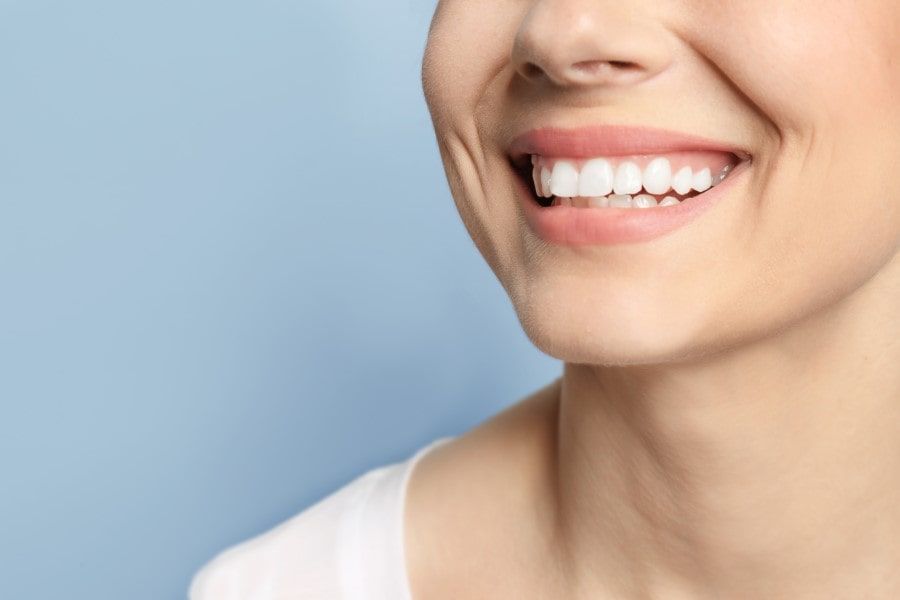
One of their defining features is their ability to closely replicate the look and feel of natural teeth. Their translucency allows light to pass through in a way that mimics real enamel, making them almost indistinguishable from surrounding teeth.
This makes them particularly suitable for visible areas, although newer materials are strong enough for back teeth as well, similar to the results patients expect when searching for veneers treatment near me.
Oral Health Benefits of Metal-Free Crowns
When it comes to oral health, metal-free crowns offer several important advantages. One of the most noticeable benefits is improved gum compatibility. Traditional metal crowns can sometimes cause irritation or a dark line along the gum margin over time. Metal-free crowns eliminate this concern, resulting in healthier and more natural-looking gums.
Another key benefit is the absence of corrosion. Metals can react with saliva and food acids, leading to gradual deterioration or unpleasant tastes. Ceramic materials, on the other hand, remain stable in the oral environment, maintaining their integrity over time.
Patients also often report reduced sensitivity. Because metal conducts heat and cold, traditional crowns can sometimes make teeth more sensitive to temperature changes. Metal-free materials act as insulators, providing a more comfortable experience.
Additionally, these crowns typically require less removal of the natural tooth during preparation. This conservative approach helps preserve more of the original tooth structure, which is always beneficial for long-term dental health.
Systemic Health Advantages
The benefits of metal-free crowns extend beyond the mouth and into overall health. One of the most important considerations is biocompatibility. Ceramic materials used in these crowns are well tolerated by the body, reducing the risk of adverse reactions.
For individuals with metal sensitivities or allergies, this becomes especially significant. Even though reactions to dental metals are relatively uncommon, they can still occur and cause discomfort or inflammation. Choosing a metal-free option eliminates this risk entirely.
Another important aspect is the reduced exposure to metal ions. Over time, some metal restorations may release small amounts of ions into the body. While generally considered safe, many patients prefer to avoid any unnecessary exposure, especially those who follow a holistic or preventive approach to health.
There is also a growing awareness of the connection between oral health and systemic conditions. Inflammation in the mouth has been linked to broader health concerns, including cardiovascular issues and immune responses. By promoting healthier gums and reducing irritants, metal-free crowns can contribute positively to overall well-being.
Metal-Free vs Metal Crowns: A Practical Comparison
Choosing between metal-free and traditional crowns often depends on individual needs, but the differences are quite clear. In terms of appearance, metal-free crowns provide a more natural and lifelike result. They blend seamlessly with existing teeth and do not create the dark edges sometimes seen with metal-based restorations.
Durability is another important factor. While metals have long been valued for their strength, modern materials like zirconia are equally robust and capable of withstanding significant biting forces. This makes them suitable for both front and back teeth in most cases.
Comfort also plays a role. Metal-free crowns tend to feel more natural because they adapt better to the surrounding tissues and do not conduct temperature in the same way as metal.
From a health perspective, the absence of metal removes concerns related to allergies, corrosion, and long-term exposure. Although metal crowns may sometimes be recommended in very specific cases, the overall trend is clearly moving toward metal-free solutions.
The Procedure for Getting Metal-Free Crowns
The process of getting a metal-free crown is relatively straightforward and typically completed in two visits, although some clinics offer same-day solutions using advanced technology.
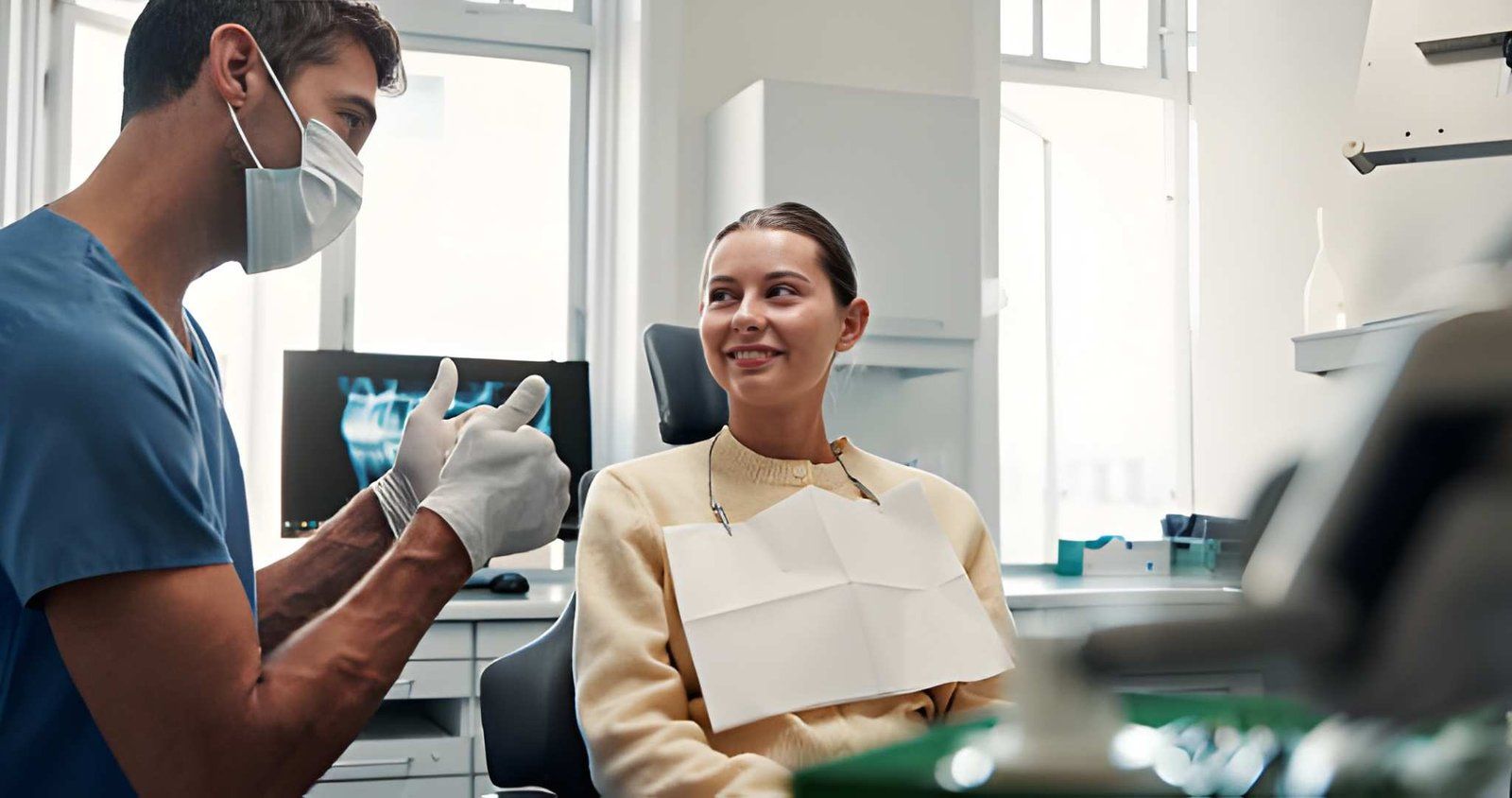
It begins with a detailed consultation, where the dentist examines the tooth and discusses treatment options. Once a crown is deemed necessary, the tooth is prepared by removing any damaged or decayed portions and reshaping it to accommodate the restoration.
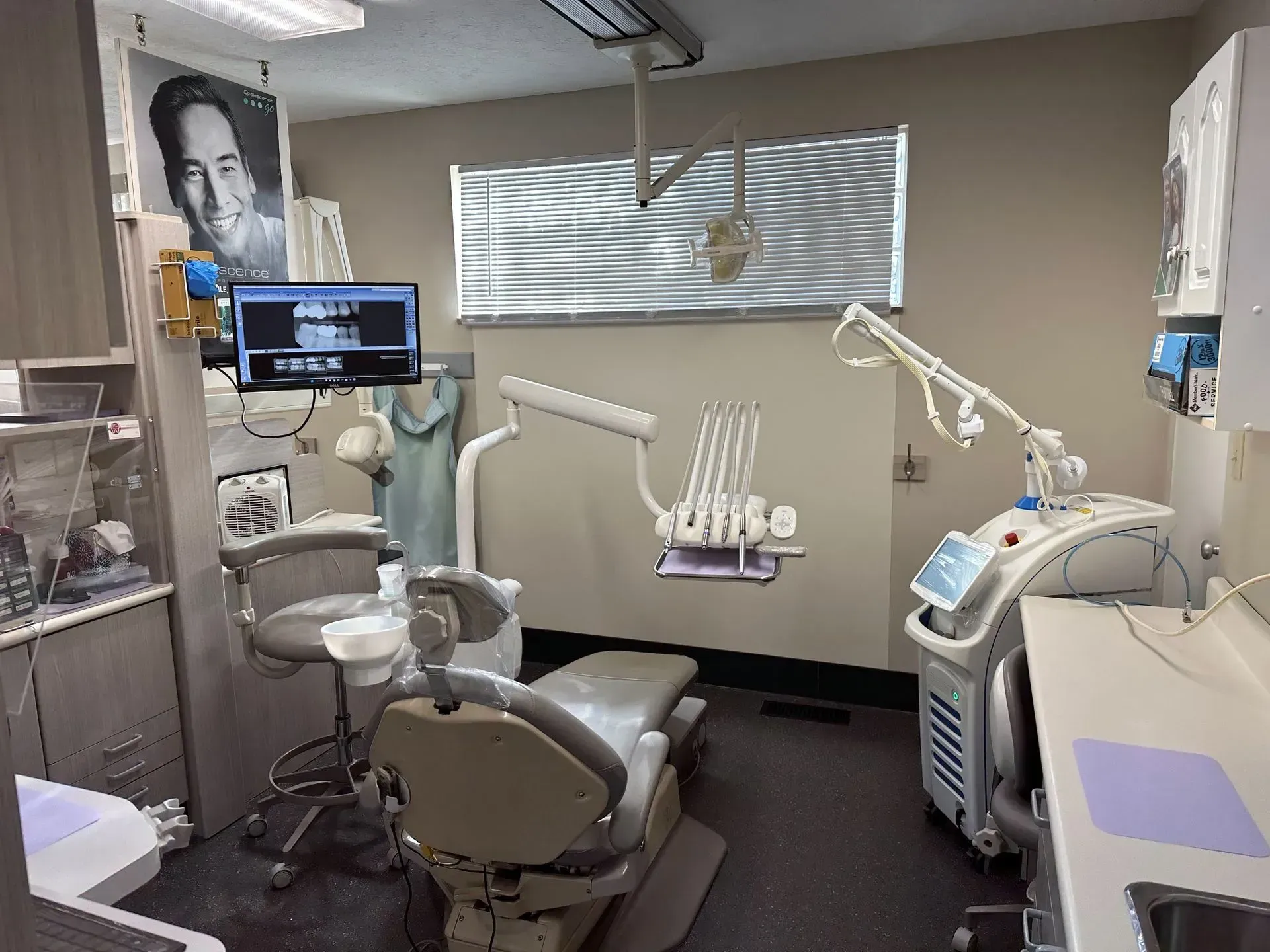
Next, impressions are taken. Many modern practices use digital scanners, which provide highly accurate images and eliminate the discomfort associated with traditional molds. These scans are then used to design the crown with precision, a process commonly followed at clinics like Riverside Holistic Dentistry that emphasize advanced and patient-friendly techniques.
The crown is fabricated in a dental laboratory or in-house using CAD/CAM systems. In the meantime, a temporary crown may be placed to protect the tooth, ensuring comfort and function throughout the treatment journey at practices such as Riverside Holistic Dentistry.
During the final appointment, the permanent crown is fitted, adjusted for comfort and bite alignment, and then bonded securely in place. The result is a restoration that looks, feels, and functions like a natural tooth.
Longevity, Maintenance, and Cost Considerations
Metal-free crowns are designed to last for many years, often exceeding a decade with proper care. Their longevity depends largely on daily habits and overall oral hygiene.
Maintaining these crowns does not require any special routine beyond standard dental care. Regular brushing, flossing, and dental check-ups are usually sufficient to keep them in excellent condition. Avoiding excessive force, such as biting very hard objects, can also help extend their lifespan.
Cost is another factor that patients often consider. While metal-free crowns may have a higher initial price compared to traditional options, they offer significant long-term value. Their durability, aesthetics, and health benefits often make them a worthwhile investment.
Are Metal-Free Crowns Right for You?
Metal-free crowns are suitable for a wide range of patients, particularly those who prioritize aesthetics and long-term health. They are an excellent choice for visible teeth, as well as for individuals who want a more natural and holistic dental solution.
Patients with known metal sensitivities or those who prefer to avoid metal altogether may find these crowns especially appealing. However, every case is unique. Factors such as bite strength, tooth location, and overall dental condition must be considered before making a decision.
A consultation with an experienced dentist is essential to determine whether metal-free crowns are the best option for your specific needs.
Frequently Asked Questions (FAQs)
Are metal-free crowns strong enough for chewing?
Yes, modern materials like zirconia are extremely strong and can handle the pressure of chewing, even in back teeth.
Do they require special care?
No, they can be maintained with regular oral hygiene practices such as brushing, flossing, and routine dental visits.
Are they completely safe?
They are considered highly safe due to their biocompatibility and lack of metal content.
Will they match my natural teeth?
Yes, they are designed to blend seamlessly with your existing teeth in both color and translucency.
How long do they last?
With proper care, they can last 10 to 15 years or even longer.
Conclusion
Metal-free crowns represent a modern approach to dental restoration, combining functionality with a strong focus on overall health. They offer a natural appearance that closely mimics real teeth while also providing the strength needed for daily use. Their biocompatibility makes them a reliable choice for patients who want to minimize potential risks associated with metal restorations.
Beyond aesthetics, these crowns contribute to better gum health and reduce the chances of irritation or sensitivity. They also align with a broader understanding of how oral health connects to systemic well-being, making them a preferred option for those seeking long-term benefits. Contact us to learn how metal-free crowns can support your long-term oral and overall health.
While the initial investment may be slightly higher, the durability, comfort, and health advantages they provide often outweigh the cost. As dental technology continues to advance, metal-free crowns are becoming an increasingly popular and trusted solution for patients looking for safe, effective, and future-ready dental care.