When Should You Call an Emergency Dentist in Jersey City? 9 Signs You Shouldn't Ignore

Dental problems can happen when you least expect them. A sudden toothache, broken tooth, or mouth injury can make it hard to know what to do next. While some dental issues can wait for a regular appointment, others need fast attention from an emergency dentist in Jersey City.
Ignoring serious dental problems can lead to more pain, bigger damage, and costly treatments later. Knowing the signs of a dental emergency can help you protect your teeth and get the care you need at the right time.
What Is a Dental Emergency?
A dental emergency is a problem that needs quick treatment because it can affect your teeth, gums, or overall health. These issues often include severe pain, heavy bleeding, swelling, infections, or injuries that damage your teeth.
A normal dental visit is usually planned for cleanings, checkups, and small dental concerns. An emergency dental visit is different because it focuses on problems that cannot wait. If you are dealing with strong pain, sudden damage, or signs of infection, contacting an emergency dentist in Jersey City can help prevent the issue from getting worse.
9 Signs You Should Call an Emergency Dentist in Jersey City
Severe Tooth Pain That Does Not Go Away
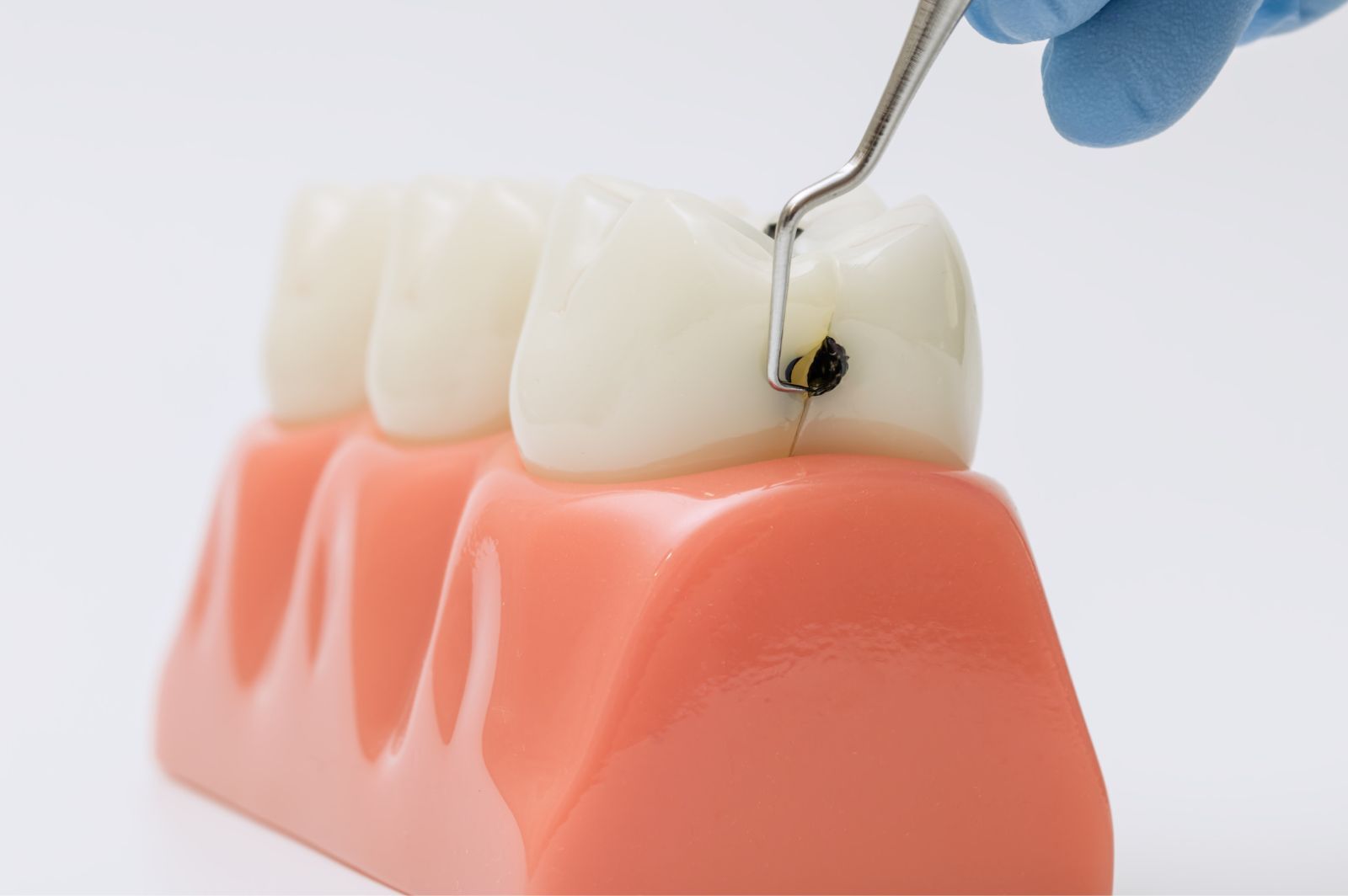
Severe tooth pain is one of the most common reasons people need emergency dental care. A toothache that continues for hours or days may be a sign of a deeper problem, such as tooth decay, an infection, or damage inside the tooth.
Pain medicine may reduce discomfort for a short time, but it does not fix the cause of the problem. If your tooth pain is strong, keeps returning, or affects your daily activities, you should contact an emergency dentist.
Quick treatment can help find the cause of the pain and protect your tooth from further damage.
A Broken or Cracked Tooth
A broken or cracked tooth can happen because of an accident, a sports injury, biting hard foods, or a fall. Even a small crack can create problems because bacteria can enter the damaged area and cause an infection.
A damaged tooth may also cause sensitivity when you eat hot, cold, or sweet foods. If the crack reaches deeper parts of the tooth, it can lead to serious pain.
An emergency dentist can check the damage and suggest the right treatment. Depending on the condition of the tooth, treatment may include repair, a filling, a crown, or other dental care.
A Knocked-Out Tooth
A knocked-out tooth is a serious dental emergency. When a tooth comes out because of an injury, getting treatment quickly may improve the chance of saving it.
If this happens, avoid touching the root of the tooth. Hold it from the top part, gently rinse it if it is dirty, and keep it moist until you reach a dentist.
Do not wait to see if the problem improves on its own. A knocked-out tooth needs immediate attention from an emergency dentist in Jersey City to explore possible treatment options.
Swelling in the Face, Jaw, or Gums
Swelling around your face, jaw, or gums can be a warning sign of a dental infection. Sometimes swelling happens because of an abscess, which is a pocket of infection near a tooth or gum.
Other signs of an infection may include fever, bad taste in the mouth, bad breath, or trouble opening your mouth. These symptoms should not be ignored because infections can become more serious if they are not treated.
An emergency dentist can examine the area, reduce pain, and provide treatment to control the infection.
Uncontrolled Bleeding After a Dental Injury
Minor bleeding from the gums may happen sometimes, but heavy or ongoing bleeding after an injury needs attention.
You should contact an emergency dentist if bleeding does not stop, if a tooth has been damaged, or if there is a serious injury to your mouth. Dental injuries can affect your teeth, gums, and soft tissues.
Getting professional care quickly can help reduce the risk of further problems and support proper healing.
Lost Dental Filling or Crown
A lost filling or crown may not always seem like an emergency, but leaving it untreated can create more issues. When a filling or crown falls out, the inside of the tooth may become exposed.
This can cause pain, sensitivity, and increase the chance of tooth damage. Food and bacteria can also enter the affected area.
An emergency dentist can repair or replace the lost filling or crown and help protect the tooth from future problems.
Severe Tooth Sensitivity
Tooth sensitivity is common, but sudden or severe sensitivity may be a sign of a bigger dental issue. If your teeth hurt when you drink something hot or cold, eat sweets, or bite down, it may point to problems such as cracks, decay, or damage to the inner part of the tooth.
Do not ignore strong sensitivity that appears suddenly. A dental professional can find the cause and provide treatment to reduce discomfort.
Signs of a Dental Abscess
A dental abscess is an infection that forms around a tooth or gum area. It can cause serious pain and requires quick treatment.
Common signs of an abscess include swelling, severe tooth pain, pus near the gums, fever, and a bad taste in your mouth.
An untreated abscess can spread and create more health problems. If you notice these signs, contact an emergency dentist in Jersey City as soon as possible.
Injury to the Mouth or Jaw
Accidents can damage more than just your teeth. A fall, car accident, or sports injury can affect your gums, jaw, and teeth.
Even if the damage does not look serious, a dental check can help find hidden problems. A tooth may have a crack, loose position, or internal damage that is not easy to see.
Emergency dental care can help protect your smile and prevent long-term issues after an injury.
Why You Should Not Wait During a Dental Emergency
Many people delay dental treatment because they hope the problem will go away. However, dental issues often become worse without proper care.
A small tooth problem can turn into a painful infection. A minor crack can become a larger break. Delaying treatment may also make the final repair more difficult.
Seeing an emergency dentist early can help reduce pain, protect your teeth, and prevent bigger dental problems in the future.
What Should You Do Before Visiting an Emergency Dentist?
During a dental emergency, try to stay calm and take simple steps to protect your mouth. Avoid touching the damaged area too much and do not place sharp objects near your teeth or gums.
If you have swelling, a cold pack can help reduce discomfort. If a tooth has broken, keep any pieces safe and bring them with you to your dental appointment.
The most important step is contacting an emergency dentist as soon as possible. Fast action can make a big difference in protecting your oral health.
How an Emergency Dentist in Jersey City Can Help
An emergency dentist provides fast care for urgent dental problems. The goal is to reduce pain, treat the problem, and protect your teeth.
Emergency dental treatments may include repairing damaged teeth, treating infections, replacing crowns or fillings, performing root canal treatment, or removing a tooth that cannot be saved.
Emergency dentists understand that dental problems can happen at any time. They are prepared to provide care when you need it most.
How to Prevent Dental Emergencies
While not every dental emergency can be avoided, good habits can lower your risk. Regular dental checkups help find problems before they become serious.
Brushing twice a day, flossing daily, and avoiding very hard foods can help protect your teeth. If you play sports, wearing a mouthguard can help prevent injuries.
Taking care of small dental problems early is one of the best ways to avoid emergency visits.
Conclusion
Dental emergencies should not be ignored. Strong tooth pain, swelling, broken teeth, knocked-out teeth, and signs of infection need fast dental care.
Knowing when to call an emergency dentist in Jersey City can help protect your teeth and avoid bigger problems. If you notice any warning signs, contact us today for quick and trusted dental care. Getting help early can reduce pain and keep your smile healthy.
Frequently Asked Questions
1. When should I call an emergency dentist in Jersey City?
You should call an emergency dentist for severe tooth pain, swelling, bleeding, broken teeth, or serious mouth injuries that need quick care.
2. Can a cracked tooth be a dental emergency?
Yes, a cracked tooth can become serious if bacteria enter the crack and cause infection or more damage.
3. What should I do if my tooth gets knocked out?
Keep the tooth clean, avoid touching the root, keep it moist, and visit an emergency dentist as soon as possible.
4. How do I know if I have a dental infection?
Signs of a dental infection include swelling, severe pain, fever, bad taste, and pus near the gums.
5. Can an emergency dentist treat severe tooth pain?
Yes, an emergency dentist can find the cause of severe pain and provide treatment to reduce discomfort and protect your tooth.