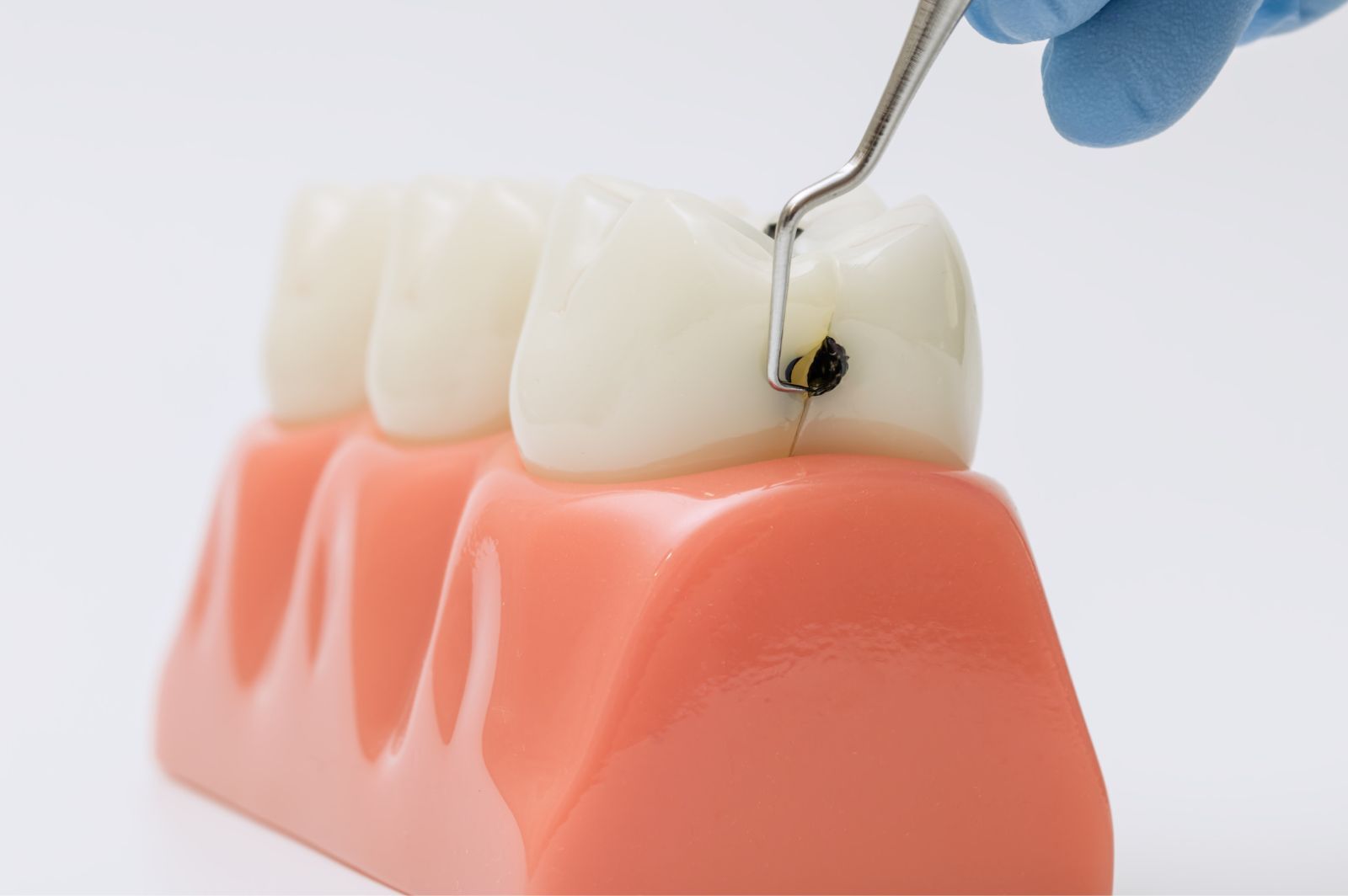
The Mouth-Body Connection and How Oral Health Impacts Overall Wellness
When people think about oral health, they often focus on maintaining a bright smile and preventing cavities. However, the importance of oral hygiene goes far beyond appearance. The health of your mouth is closely connected to the health of your entire body, influencing everything from heart function to immune response. This relationship, commonly referred to as the mouth-body connection, highlights how oral health plays a critical role in overall wellness.
In recent years, growing research has emphasized that poor oral hygiene can contribute to serious health conditions. Understanding this connection can help individuals take a more proactive approach to both dental care and general health.
Introduction to the Mouth-Body Connection
The mouth is not an isolated part of the body. It serves as a gateway to the digestive and respiratory systems, making it a key point of interaction between external factors and internal health.
What Is the Mouth-Body Connection?
The mouth-body connection refers to the link between oral health and systemic health. The mouth contains millions of bacteria, most of which are harmless when proper hygiene is maintained. However, without regular care, harmful bacteria can multiply and lead to infections such as gum disease conditions that may eventually require treatment from a root canal dentist in jersey city if left untreated.
These bacteria can enter the bloodstream through inflamed or damaged gum tissue. Once in the bloodstream, they can travel to other parts of the body, potentially contributing to inflammation and disease. This connection shows that oral health is not just about teeth and gums—it is an essential part of overall health.
Why Oral Health Is More Than Just a Smile
A healthy smile is often seen as a sign of good hygiene, but the benefits extend much further. Proper oral care helps prevent infections, reduces inflammation, and supports overall bodily functions.
Neglecting oral health can lead to more than just dental problems. It can contribute to chronic conditions, affect quality of life, and increase healthcare costs. By recognizing the broader impact of oral health, individuals can make more informed decisions about their daily habits and healthcare routines.
How Oral Health Affects Overall Wellness
Oral health influences the body in several ways, primarily through bacteria and inflammation.
The Role of Bacteria and Inflammation
The mouth naturally contains bacteria, but poor oral hygiene can lead to an overgrowth of harmful bacteria. This can result in plaque buildup, gum disease, and infections.
When gums become inflamed or bleed, bacteria can enter the bloodstream. This can trigger inflammation in other parts of the body, which is a key factor in many chronic diseases.
Inflammation is the body’s response to infection, but when it becomes chronic, it can damage tissues and organs. Maintaining oral health helps control bacterial growth and reduce inflammation.
Impact on Immune System Function
The immune system works to protect the body from harmful pathogens. However, chronic oral infections can place a constant burden on the immune system.
When the body is continuously fighting oral bacteria, it may become less effective at addressing other health issues. This can weaken overall immunity and increase susceptibility to illness.
By maintaining good oral hygiene, individuals can support their immune system and reduce the risk of infections.
Common Health Conditions Linked to Oral Health
The mouth-body connection is evident in several health conditions that are influenced by oral health.
Heart Disease and Cardiovascular Issues
One of the most well-known links is between gum disease and heart disease. Studies suggest that bacteria from the mouth can enter the bloodstream and contribute to the buildup of plaque in the arteries.
This can increase the risk of conditions such as atherosclerosis, which can lead to heart attacks and strokes. Inflammation caused by oral infections may also play a role in cardiovascular disease.
Maintaining healthy gums can help reduce these risks and support heart health.
Diabetes and Blood Sugar Control
The relationship between oral health and diabetes is two-way. People with diabetes are more prone to gum disease due to reduced ability to fight infections.
At the same time, gum disease can make it more difficult to control blood sugar levels. Inflammation can interfere with insulin function, leading to higher blood glucose levels—an issue often addressed through comprehensive care at Riverside Holistic Dentistry. Managing oral health is an important part of diabetes care, helping to improve overall health outcomes.
Respiratory Infections and Other Conditions
Oral bacteria can also affect the respiratory system. Inhaling bacteria from the mouth can lead to infections such as pneumonia, particularly in individuals with weakened immune systems.
Other conditions, including complications during pregnancy and certain autoimmune diseases, have also been linked to poor oral health. These connections highlight the importance of maintaining oral hygiene as part of overall health management.
The Importance of Preventive Dental Care
Preventive dental care is essential for maintaining both oral and overall health.
Regular Dental Checkups and Cleanings
Routine dental visits allow professionals to remove plaque and tartar that cannot be eliminated through regular brushing. Cleanings help prevent cavities and gum disease.
Dental checkups also provide an opportunity to detect early signs of health issues. Dentists can identify problems such as oral infections, gum disease, and even signs of systemic conditions.
Regular visits ensure that any issues are addressed before they become more serious.
Daily Oral Hygiene Practices
Maintaining oral health at home is equally important. Brushing teeth at least twice a day with fluoride toothpaste helps remove plaque and prevent decay.
Flossing daily removes food particles and bacteria from between the teeth, where a toothbrush cannot reach. Using mouthwash can provide additional protection against bacteria. Consistent oral hygiene practices form the foundation of long-term health.
Lifestyle Factors That Influence Oral and Overall Health
Lifestyle choices play a significant role in both oral and overall health.
Diet, Nutrition, and Hydration
A balanced diet supports strong teeth and gums. Foods rich in vitamins and minerals, such as calcium and vitamin C, help maintain oral health.
Limiting sugary and acidic foods reduces the risk of cavities and enamel erosion. Drinking plenty of water helps wash away food particles and bacteria. Healthy eating habits contribute to both oral hygiene and overall wellness.
Habits Such as Smoking and Alcohol Use
Smoking and excessive alcohol consumption can have serious effects on oral health. Smoking increases the risk of gum disease, tooth loss, and oral cancer.
Alcohol can dry out the mouth, reducing saliva production and increasing the risk of bacterial growth.
Avoiding or limiting these habits can significantly improve oral and overall health.
Conclusion
The mouth-body connection underscores the importance of oral health as a key component of overall wellness. Maintaining healthy teeth and gums is not just about appearance—it is essential for preventing disease and supporting the body’s overall function.
By practicing good oral hygiene, attending regular dental checkups, and making healthy lifestyle choices, individuals can protect both their oral and general health.
Understanding this connection empowers people to take a proactive approach to their well-being. A healthy mouth truly contributes to a healthier body.
If you are ready to improve your oral health and support your overall wellness, contact us today to schedule your next dental visit and take the first step toward a healthier future.
Frequently Asked Questions (FAQs)
Can oral health really affect overall health?
Yes, poor oral health is linked to conditions such as heart disease, diabetes, and respiratory infections.
How is gum disease connected to heart problems?
Bacteria from infected gums can enter the bloodstream and contribute to inflammation in blood vessels.
Is there a connection between oral health and diabetes?
Yes, gum disease can make it harder to control blood sugar, and diabetes can increase the risk of oral infections.
How often should I visit the dentist?
Most people should visit the dentist every six months, though some may need more frequent visits.
What are the best ways to maintain oral health?
Brushing twice daily, flossing, eating a healthy diet, and attending regular dental checkups are key practices.